
Most anti aging products only treat the surface of the skin. PDRN and exosomes aim much deeper. They target repair pathways that drive how skin heals, thickens, and stays stable over time.
Recent work on exosomes in photoaging suggests real impact on UV damage and collagen loss, not just on fine lines at rest. One review on exosomes in skin photoaging described broad effects on inflammation and pigment control, which are central to long term aging changes, not just short term glow.
Clinics that already use PDRN for mature skin and collagen renewal are now testing exosome blends. The goal is clear, longer tissue repair with lower downtime. This is not a simple trend. It is a shift from “fill and freeze” toward cell level support.
How PDRN Helps Aging Skin
PDRN, or polydeoxyribonucleotide, is a fragment of DNA from salmon sources. It is not a filler and not a toxin. It acts as a healing signal that activates adenosine A2A receptors on cells throughout the skin.

Studies show that PDRN binds to the adenosine A2A receptor on cells in the skin. That receptor then promotes new collagen growth, better blood flow, and calmer inflammation. The effect is slow but steady, which suits aging skin that needs gradual structural support rather than quick fixes.
For a deeper review of the core science, readers can study the guide on what PDRN is and how it works. Understanding these fundamental mechanisms helps contextualize why PDRN pairs so effectively with other regenerative technologies.
Clinics use PDRN for photoaged faces, necks, and even hands. The goal is not to change shape, but to improve texture, tone, and fine lines. Results tend to build over weeks, with repeat sessions that allow the skin’s natural repair processes to strengthen and stabilize.
What Exosomes Bring To The Table
Exosomes are tiny sacs that cells use for signal transfer. They hold proteins, lipids, and small RNA pieces that can turn genes on or off. These extracellular vesicles function as cellular communication tools, delivering instructions that influence tissue behavior at a fundamental level.
In skin, exosomes from healthy stem cells appear to:
- Calm chronic inflammation that speeds aging
- Support collagen making cells under UV stress
- Improve pigment balance in photo damaged skin
A 2023 review on exosomes in skin photoaging noted that these vesicles can alter several aging pathways at once. This broad action is what makes exosomes so interesting for clinics seeking comprehensive tissue regeneration rather than single-target interventions.
Why PDRN And Exosomes Fit Well Together
PDRN and exosomes act on related, but not identical, repair paths. PDRN gives raw material and receptor level signals for tissue growth. Exosomes carry a dense signal package that can steer cell behavior in multiple directions simultaneously.
When used together, early data and field reports suggest three clear benefits.
1. Stronger repair after energy or needle work
Laser, RF, and microneedling all stress skin on purpose. Clinics want a fast, clean repair with less risk of pigment issues. This is where the combination protocol shows particular strength.
A combined PDRN and exosome plan can:
- Support faster closure of micro wounds.
- Reduce redness time for some patients.
- Improve texture gains from each session.
A 2025 clinical paper on exosomes with polydexoribonucleo in facial work, from IOSR JDMS, reported better healing quality in treated groups. The full article, on exosomes linked with PDRN, described smoother recovery and better patient comfort following combined treatment protocols.
For practitioners who already incorporate controlled injury methods, understanding how PDRN accelerates wound healing provides additional context for why this combination makes biological sense.
2. Better support for photoaged, thin skin
Chronic sun damage leads to thin, dry, and dull skin. PDRN supports dermal thickness and capillary health. Exosomes seem to reduce some UV driven signals that block collagen synthesis and promote continued degradation.
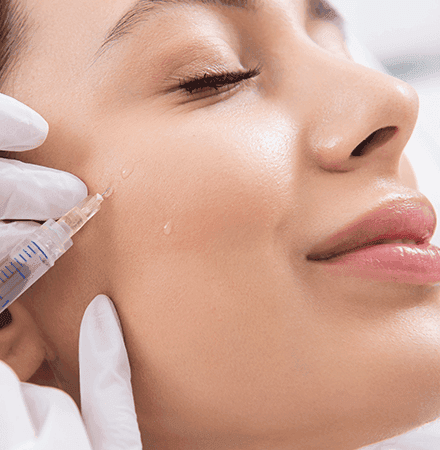
Clinics that focus on photoaging can pair this approach with protocols in the guide on PDRN and sun damage repair. The combined effect addresses both the structural deficits and the ongoing inflammatory signals that perpetuate photodamage.
3. Lower reliance on high volume fillers
Some patients do not want extra volume in the face. They want tighter skin, finer lines, and better tone, with natural shape maintained rather than augmented.
By supporting the skin as an organ, PDRN and exosomes can reduce the need for repeat high volume filler sessions. Fillers then become detail tools, not the main plan. This shift represents a move toward true tissue regeneration rather than simple structural augmentation.
Where This Combo Fits In Real Practice
This approach suits clinics that already use structured PDRN mesotherapy techniques. It is not a first tool for a beginner injector, as it requires understanding of both products and how they interact within tissue.
Suitable use cases include:
- Patients with clear photoaging but limited laxity
- Thin, dry skin on lower face, neck, or hands
- Recovery support after microneedling or RF sessions
- Long term tissue care in high risk UV regions
Clinics that are new to PDRN can first review the practitioner overview on PDRN in aesthetic medicine. A clear base plan is needed before adding exosomes to avoid overcomplicating protocols without proper foundation knowledge.
What The Current Evidence Actually Shows
The honest view is simple. Data is promising, but still early. Randomized trials on PDRN alone show gains in texture, hydration, and fine wrinkles. These are not overnight changes, but they appear consistent in proper series with adequate patient selection.
Exosome work in skin is newer. Most data comes from cell and animal models, or small human series. Still, patterns are forming:
Exosomes appear to support collagen, reduce UV related cell stress, and improve pigment balance when used in controlled models.
When linked with PDRN, some clinical groups report shorter down time, better color balance, and higher patient comfort after energy work. The field now needs larger controlled trials to confirm this in a strict way, but early indicators support continued investigation and careful clinical application.
Readers who want to see how PDRN data is tracked can review the article on PDRN efficacy and clinical evidence. Understanding the evidence base helps practitioners make informed decisions about when to adopt emerging combination protocols.
Practical Points For Clinics And Informed Patients
There is strong interest, but also clear hype. A careful approach is needed to separate genuine clinical benefit from marketing enthusiasm.
Product quality and source
Clinics should confirm:
- Clear labeling of PDRN source and purity
- Exosome origin, such as human stem cell or other
- Evidence of clean testing and storage control
Low grade products can harm trust in this entire area. A science based clinic will not cut corners for cost. For guidance on vetting PDRN suppliers and protecting authenticity, practitioners need systematic quality control processes.
Protocol design and realistic timelines
Skin aging is slow. Repair is also slow. PDRN and exosomes are not one session fixes. Most structured plans use series work, with clear spacing and review points to assess response.
A helpful guide to session planning appears in the article on PDRN with microneedling results and timelines. Proper expectation setting prevents patient disappointment and supports long-term treatment adherence.
Where This Is Likely Headed
The trend in aesthetic medicine is moving toward regenerative care, not only shape change. PDRN and exosomes sit at the center of that shift, representing a move from purely structural interventions to true tissue biology modification.
Clinics that adopt this pair early, with good science and strict safety, will likely set the standard for natural aging care. They will treat skin as living tissue, not just a surface to fill. This approach aligns with PDRN’s role in anti-inflammatory skin response, where modulating tissue behavior creates lasting change.
For patients, the key is to seek teams that can explain the mechanism, data, and limits of PDRN and exosome work in clear terms. When a clinic can do that, long term results usually follow, supported by patient education and appropriate treatment selection.
Understanding the broader context of PDRN vs peptides as biostimulators also helps patients make informed choices about which regenerative approach best suits their needs and goals.
The next frontier in skin aging is not a single product. It is a smarter mix of signals that support how skin repairs itself. PDRN and exosomes are strong candidates to lead that change, offering a biological approach to aging that respects tissue complexity and repair capacity.