

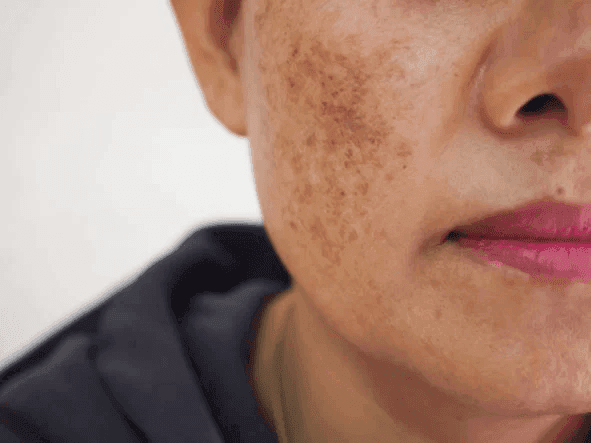
Skin discoloration affects millions of people worldwide. Dark spots, uneven tone, and stubborn patches resist most treatments. But polydeoxyribonucleotide (PDRN) works differently than standard brightening agents.
Research shows that PDRN reduces melanin production through pathways nobody expected. Instead of simply blocking enzymes like hydroquinone does, this DNA fragment activates cellular repair systems that naturally regulate pigment. The approach targets root causes rather than symptoms.
Clinicians now use PDRN for melasma, post-inflammatory hyperpigmentation, and age spots. Results take time but last longer than conventional treatments. Plus the safety profile beats most alternatives. For a foundational understanding, start with our complete guide to PDRN.
How PDRN Affects Melanin Production
PDRN doesn’t work like typical brightening agents. Most treatments block tyrosinase, the enzyme that makes melanin. Simple mechanism.
But PDRN takes a different route. It binds to adenosine A2A receptors on melanocytes (the cells that produce pigment). This binding triggers a cascade of signals inside the cell. The result? Reduced melanin synthesis without harsh enzyme blocking.
Studies demonstrate that PDRN downregulates several genes involved in pigmentation. It decreases MITF expression, a master regulator that controls melanocyte activity. Lower MITF means less tyrosinase production. Less tyrosinase means less melanin.
The adenosine receptor pathway also reduces inflammation. Inflammatory signals often trigger excess pigmentation, especially in darker skin tones. By calming inflammation at the cellular level, PDRN prevents the hyperpigmentation cascade before it starts.
The Nrf2 Connection
Here’s where things get interesting. PDRN activates Nuclear factor erythroid 2-like 2 (Nrf2), a protein that protects cells from oxidative stress. Think of it as the cell’s defense coordinator.
When Nrf2 activates, it triggers production of antioxidant enzymes. These enzymes neutralize free radicals that damage melanocytes. Damaged melanocytes often produce excess melanin as a stress response. By protecting these cells, PDRN prevents stress-induced darkening.
Oxidative stress also activates inflammatory pathways that stimulate pigmentation. The Nrf2 system blocks this activation. Double benefit.
Clinical Evidence for Pigment Reduction
Controlled studies show measurable results. Researchers tested PDRN combined with vitamin C and niacinamide on photoaged skin. The combination reduced melanin index scores over twelve weeks.
But PDRN alone shows promise too. Laboratory research found it decreased melanin content in cultured melanocytes by reducing tyrosinase activity and melanin synthesis. The effect increased with higher concentrations and longer exposure times.
Animal models confirm these findings. Mice treated with topical PDRN showed lighter skin pigmentation compared to controls. Skin biopsies revealed fewer melanin granules and reduced melanocyte activity.
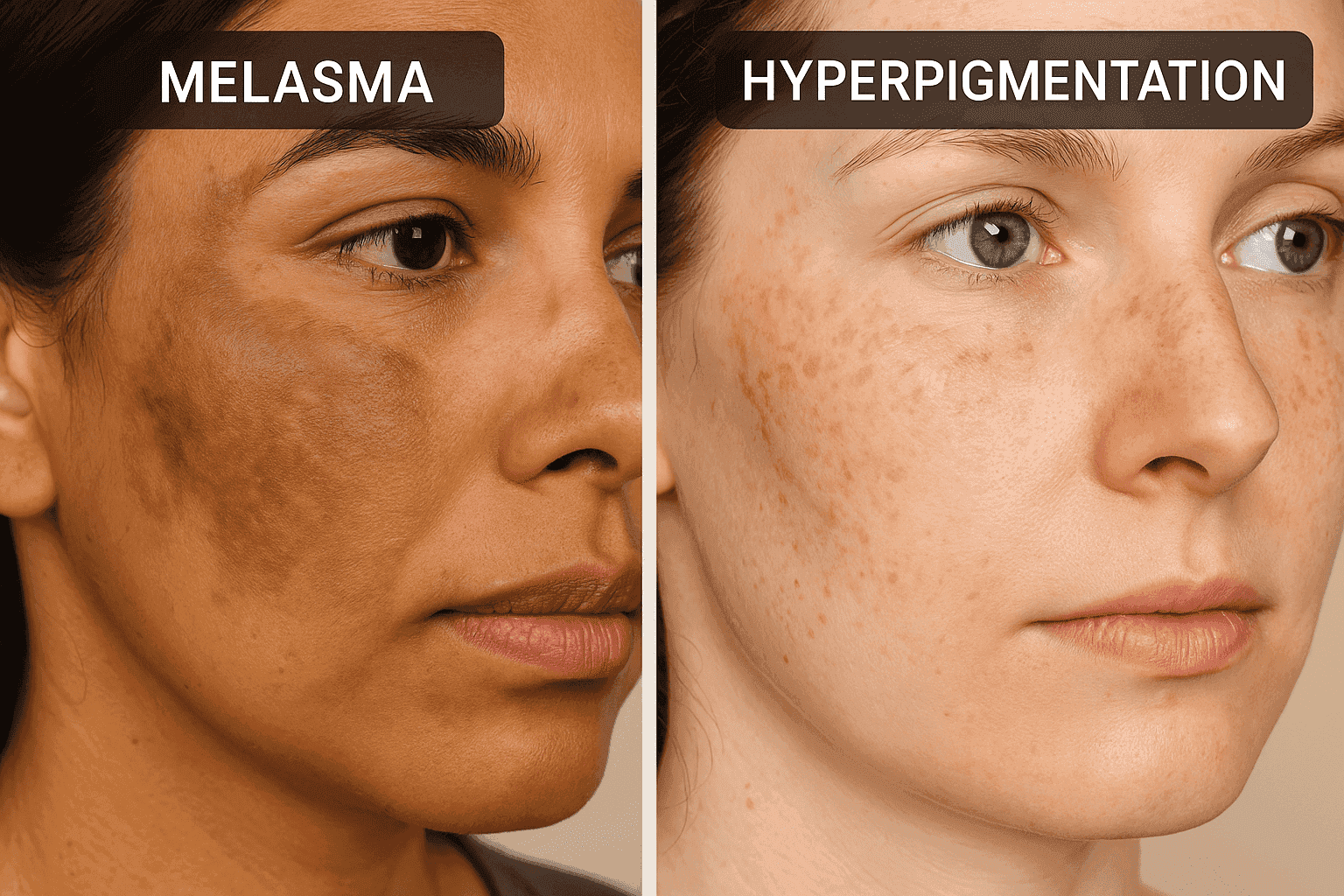
Human trials remain limited but promising. Patients with melasma treated with PDRN injections reported gradual lightening over several months. Post-inflammatory hyperpigmentation from acne also responded well.
Comparison to Standard Treatments
How does PDRN stack up against hydroquinone or kojic acid?
Hydroquinone blocks tyrosinase aggressively. Fast results. But it can cause irritation, rebound darkening, and (rarely) ochronosis with long-term use. Many countries restrict its concentration or availability.
Kojic acid works similarly but milder. Still causes sensitivity in some patients. Results fade quickly after stopping treatment.
PDRN works slower but steadier. The cellular repair approach means results build over time and maintain better after treatment ends. Side effects? Minimal. Some temporary redness at injection sites, occasional mild swelling. That’s about it. For a critical assessment of what research supports, see our analysis of PDRN efficacy and the data behind the claims.
Treatment Protocols and Administration
Clinicians use several delivery methods for PDRN. Each works for different pigmentation types.
Injection protocols remain most common:
- Intradermal injections deliver PDRN directly into pigmented areas
- Mesotherapy techniques spread solution across larger regions
- Microneedling with PDRN infusion combines mechanical stimulation with absorption—see our guide on PDRN and microneedling results
- Topical application after barrier disruption (less effective but non-invasive)—learn more about PDRN absorption challenges
- Combination treatments with other brightening agents
Typical injection concentrations range from 5.625 mg/mL to higher doses depending on severity. Practitioners inject small amounts (around 0.1 mL per point) across the affected area. Treatment spacing varies but usually falls between one to two weeks.
Session Frequency and Duration
Most protocols recommend starting with weekly sessions. After four to six treatments, clinicians often space sessions to every two weeks. Maintenance might involve monthly treatments.
Total treatment duration depends on pigmentation depth and type. Superficial spots might improve after eight sessions. Deeper melasma could require twelve to sixteen treatments for noticeable results.
Patience matters here. Unlike laser treatments that show immediate (but temporary) results, PDRN builds gradual improvement. The first changes typically appear around week six to eight.
Combining PDRN with Other Treatments
PDRN works well alongside other approaches. Evidence suggests combinations enhance results beyond single treatments.
Vitamin C plus PDRN creates synergy. Vitamin C inhibits tyrosinase directly while PDRN regulates melanocyte activity through adenosine receptors. Different mechanisms, complementary effects.
Niacinamide adds another dimension. It blocks melanosome transfer from melanocytes to surrounding skin cells. Even if melanin forms, less reaches visible areas. Combined with PDRN’s production reduction, this dual approach works efficiently.
Some practitioners add tranexamic acid. This amino acid derivative reduces melanocyte stimulation through plasmin inhibition. Research indicates PDRN’s anti-inflammatory effects complement tranexamic acid’s mechanism.
Laser and Light Therapy Integration
Combining PDRN with laser treatments requires careful timing. Lasers break up existing pigment but can trigger inflammation. Post-laser inflammation sometimes causes rebound hyperpigmentation.
PDRN injections before or after laser sessions may prevent this rebound. The anti-inflammatory and cellular repair properties calm treated skin. Some clinicians inject PDRN immediately after laser treatments, others wait a few days.
Q-switched lasers pair well with PDRN for stubborn spots. The laser fragments melanin clusters while PDRN prevents new pigment formation and reduces inflammation.
Safety Considerations and Contraindications
PDRN has a strong safety record. Most studies report minimal adverse effects. The substance comes from salmon DNA, purified to remove proteins and other potential allergens.
Still, some precautions apply. Patients with fish or seafood allergies should proceed carefully. Although purification removes most allergenic proteins, theoretical risk remains. Patch testing makes sense for allergic individuals.
Pregnant or breastfeeding women should avoid PDRN treatments. No safety data exists for these populations. Better to wait.
Active skin infections contraindicate injection treatments. Wait until infections clear completely. Same goes for active herpes outbreaks in treatment areas.
Common Side Effects
Most patients tolerate PDRN well. Temporary redness at injection sites lasts a few hours to a day. Mild swelling occasionally occurs but resolves quickly.
Bruising happens sometimes, especially with deeper injections or sensitive areas. This usually fades within a week. Patients on blood thinners bruise more easily.
Rare reactions include prolonged redness, small bumps at injection sites, or temporary increased sensitivity. These typically resolve without intervention.
No reports exist of serious systemic reactions or long-term complications from cosmetic PDRN use. The safety margin appears wide.
Expected Results and Timeline
Realistic expectations matter. PDRN won’t bleach skin overnight. The mechanism requires time to shift cellular behavior and reduce accumulated pigment.
Initial changes appear around week six for superficial pigmentation. Patients notice slight evening of skin tone or reduced intensity of dark patches. Progress continues gradually through week twelve.
Deeper pigmentation takes longer. Melasma embedded in dermal layers might need four to six months of consistent treatment. But results tend to last longer than those from purely topical agents. For related brightening approaches, see our guide on PDRN for skin brightening.
Maintenance treatments help sustain improvements. After achieving desired results, monthly or bimonthly sessions prevent recurrence. Sun protection remains critical throughout treatment and after. For more on addressing sun-related pigmentation, explore our article on PDRN and sun damage.
Conclusion
PDRN offers a different approach to treating hyperpigmentation. Instead of harsh enzyme blocking or aggressive exfoliation, it works through cellular repair and natural regulation. The adenosine receptor pathway reduces melanin production while calming inflammation.
Evidence supports its effectiveness for various pigmentation types. Safety profile beats many conventional treatments. And results, while slower to appear, maintain better over time. Practitioners should explore PDRN training courses and certification for clinical implementation.
Combination protocols enhance outcomes. Pairing PDRN with vitamin C, niacinamide, or laser treatments creates synergistic effects. The key lies in patience and consistent treatment schedules.
For patients frustrated with harsh brightening agents or concerned about side effects, PDRN presents a compelling alternative. As research continues, protocols will likely refine further. But current evidence already demonstrates meaningful potential for managing stubborn hyperpigmentation through gentler biological pathways. For a comprehensive clinical perspective, explore our practitioner’s overview of PDRN in aesthetic medicine.