

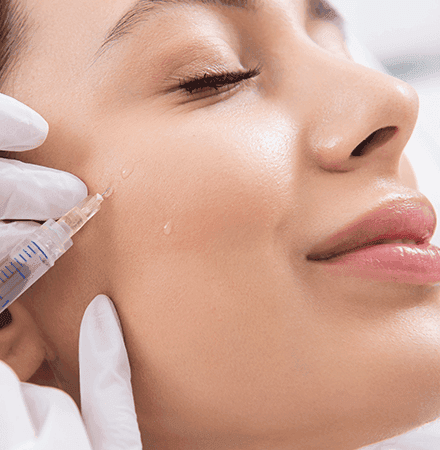
Most anti aging trends burn out fast. PDRN did the opposite. It moved from wound care into skin clinics, and kept getting more data to back it up.
PDRN, short for polydeoxyribonucleotide, is not just another cream trend. It is a DNA based ingredient that helps skin repair, calm, and rebuild. Clinics use it in injections, meso, microneedling, and even topicals. The key question is simple. What real PDRN benefits does science support right now?
A detailed 2022 review called PDRN a promising skin anti aging agent based on both lab and human work. That paper is a good snapshot of how wide the effect list is getting, from collagen repair to UV damage control. One review on PDRN and skin aging gives a nice high level view of this.
This guide breaks down 10 real PDRN benefits, in plain language, with clear links to actual research, and to deeper guides on what PDRN is and how it works.
1. PDRN boosts skin repair at the source
PDRN is made from fragments of DNA, usually from salmon. Skin cells can use those fragments as building blocks during repair. At the same time, PDRN triggers receptors in cells, mainly the A2A adenosine receptor. That switch leads to better blood flow and more growth factors.
A review on wound care called PDRN a strong tool to accelerate impaired healing, not just normal healing. The group behind that review highlighted better tissue quality, not only faster closure, in stubborn wounds. The wound healing review on PDRN is worth a read for detail.
For skin clinics, that repair push is why PDRN fits so well with controlled injury work. Protocols that use lasers, deep peels, or microneedling gain a “repair boost” layer when PDRN is added. A full walk through of that logic sits in the guide on PDRN and advanced laser and microneedling work.
2. It supports collagen and elastic fiber rebuild
Collagen chat is often hype, but PDRN does have real data here. In lab and animal models, PDRN raised levels of growth factors that push fibroblasts, the cells that make collagen and elastin. Over time, that led to thicker, better organized dermis.
A 2022 review on PDRN and skin aging pointed to more collagen fibers and better elastic fibers in treated skin. The key point is quality. Fibers were not just more dense. They were closer to young skin patterns.
For real patients, that translates to:
- Finer lines softening rather than freezing
- Mild laxity improving in cheeks, neck, and hands
- Better “bounce” feel in thin skin
Clinics often pair PDRN with fillers for this reason. Fillers give instant shape, PDRN works in the background on tissue health. The mix can be powerful when it is done by skilled hands. That combo is covered in detail in the guide on combining PDRN with fillers safely.
3. Strong anti inflammatory action without heavy thinning
Many strong skin drugs calm inflammation by blocking it hard. That can thin skin over time. PDRN takes a softer route. It shifts the balance of signals that drive inflammation and also supports tissue repair at the same time.
A 2025 lab study showed that PDRNs eased inflammatory response by changing key cell signals in injury models. The group behind that work highlighted lower levels of markers that drive swelling and damage. The 2025 experimental work on PDRN and inflammation gives a nice look at this angle.
In clinic, that plays out as less redness, less flare after strong work, and a better chance to treat sensitive or reactive skin. It is a big reason PDRN often shows up in plans for rosacea prone or barrier damaged faces. A deeper dive on this sits in the guide on PDRN for sensitive skin and anti inflammatory effect.
4. Better healing after lasers, peels, and microneedling
Many clinics first tried PDRN as a “recovery add on” rather than a main event. The logic was simple. If PDRN helps chronic wounds heal, it might help skin bounce back faster after planned damage.
That hunch held up. Studies in wound care showed faster tissue rebuild, stronger new vessels, and less scar tissue with PDRN. When similar logic moved into aesthetic work, clinics saw:
- Less crusting and oozing after strong fractional laser
- Shorter “red face” time after deep microneedling
- A lower risk of stubborn post peel marks in darker skin
One practical guide on this mix looks at PDRN with microneedling and how to set expectations. The short version is simple. PDRN does not erase down time, but it often makes it shorter and more comfortable.
5. Support for photoaging and sun damage repair
UV damage hits DNA first. That is where PDRN shines. Those DNA fragments and the repair signals around them help skin clear damaged cells and lay down healthier tissue over time.
Review work on PDRN in photoaged skin reported better texture, less coarse wrinkling, and more even tone. The changes were not overnight, but they lined up with slow structural repair in the dermis.
For patients with long term sun history, PDRN is not a magic reset. It is closer to a quiet workhorse that makes every other smart step work better. Sunscreen, retinoids, and pigment control products still do the heavy lifting on the surface. PDRN helps the deeper layers respond.
Clinics that see a lot of sun damage often build full plans around this. A good example is the protocol style guide on PDRN and sun damage reversal, which walks through timing, skin types, and pairing with lasers.
6. Real help for scars and stubborn wounds
PDRN started life in medicine as a wound tool, not as a glow booster. That history still matters. The same features that speed diabetic foot healing or post surgical repair can help with acne scars, trauma marks, and stretch marks.
A wound healing review found that PDRN helped:
Improve tissue quality, reduce scar tissue, and support new vessel growth in slow or poor healing skin.
For scar work, that often means better texture over time rather than total erasing. Shallow boxcar acne scars, surgical lines, and fresh stretch marks respond best. Old, deep scars need more support, like lasers or subcision, but PDRN can still help the repair stage.
Clinics that live in this space often treat scars with multi step plans that mix PDRN, microneedling, and sometimes fillers. A walk through of that angle is in the guide on PDRN in scar revision and acne work.
7. Gentle brightening and tone smoothing
PDRN is not a classic bleaching agent. It does not block pigment enzymes the way hydroquinone or strong acids do. Yet clinics keep reporting steadier tone, less blotchy redness, and softer hyperpigmentation over time.
The likely reason is simple. When skin barrier health improves and inflammation drops, pigment cells calm down. Cells clear old damage better. Vessels also settle, so red blotches fade.
A 2023 review on salmon derived PDRN for aesthetic work pointed to tone and texture gains across several small human studies. The changes were more “even and fresh” than “bleached and flat”, which is what many adults actually want. The 2023 review on salmon PDRN in aesthetics covers that blend of effects.
For readers who care mainly about dullness and uneven tone, a more focused view sits in the guide on PDRN for skin brightening and glow.
8. Broad use across different skin types and areas
One quiet but important PDRN benefit is range. Many strong tools work only on thick, light skin. PDRN can be used, with care, on thin or darker skin, and on tricky spots like neck, hands, and under eyes.
Clinics use PDRN in:
- Neck lines and crepey chest
- Hand aging, with veins and tendons showing
- Under eye fine lines and mild hollowing
- Stretch marks on hips, belly, or thighs
Guides on hand rejuvenation with PDRN and neck work both highlight the same thing. PDRN does not puff tissue like filler. It supports slow quality gains instead. That makes it a safer pick for areas where over filling looks odd very fast.
9. Multiple delivery options, from topical to injection
PDRN is not locked into one form. Clinics and brands use it in:
- Direct injections or mesotherapy
- Microneedling serums
- Post procedure masks and ampoules
- Daily home care creams and serums
Effect size will not be the same for all of those. Deep injections put PDRN right where fibroblasts live, so structural changes are stronger. Topicals work more on barrier support and mild repair, and they rely on formula design to even reach the dermis.
For those exploring at-home PDRN options, high-quality topical formulations can provide meaningful support between clinical treatments:
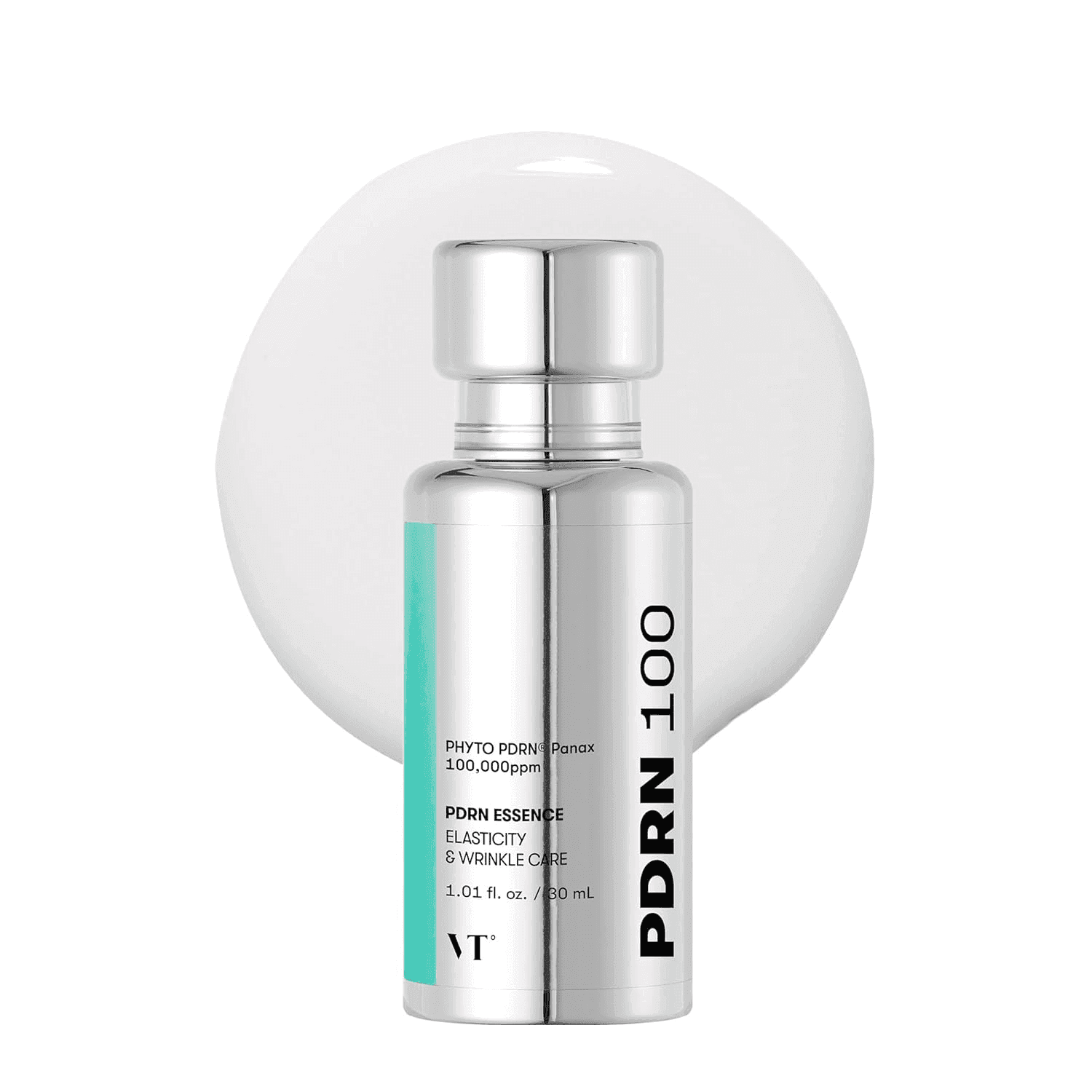
🛒 Shop This Product: Click the image above to view VT COSMETICS PDRN 100 Essence on Amazon
A full science view of how well PDRN soaks in by skin route is in the guide on PDRN absorption and topical bioavailability. A separate review on PDRN as a platform in dermatology and aesthetics walks through the big picture, from wound gels to injectables. That 2025 review on PDRN in dermatology is useful for context.
Clinics that care about training and safe use also lean on guides like the PDRN overview for practitioners, which break down where each route makes sense.
10. Good safety record when products are real and technique is sound
No active is risk free, but PDRN has a solid safety record when it is pure and used by trained hands. Most reported side effects in studies are mild and local, such as brief redness, small bruises, or tenderness at injection spots.
Key reasons for that profile:
- The DNA fragments are highly purified and filtered
- Doses are low compared to systemic drugs
- Action is local, in the treated skin region
Two things raise risk. First, poor product quality. Second, poor technique. A guide on where to buy PDRN and how to vet quality lays out what serious clinics look for, from batch testing to storage. On the human side, formal PDRN training and certification matter, since depth, dose, and pattern all shape results and safety.
So, is PDRN worth the hype?
PDRN is not magic, and it will not fix bad habits like no sunscreen or daily tanning. But it does have more science than many trendy skin tools. Repair, collagen support, inflammation control, wound healing, and tone smoothing all show up again and again in the data.
Clinics that treat PDRN like a long term tissue health tool, not a one shot miracle, tend to get the best results. They match delivery route to concern, pick real products, and respect down time and aftercare rules.
For readers watching this space, the smart move is to keep an eye on new controlled trials and on updated reviews of PDRN benefits in both medical and aesthetic fields. The more the science grows, the clearer it gets that this is not just a short trend, but a useful pillar in modern regenerative skin care.