
Most PDRN problems start before the first injection, with the wrong concentration on the tray. Many clinics focus on brand names, but the PDRN concentration and dose plan matter more for results.
PDRN, or polydeoxyribonucleotide, is not a simple filler. It is a biostimulatory DNA fragment that supports tissue repair and collagen growth. When the concentration is too low, results look weak. When it is too high, especially in sensitive areas, swelling and downtime increase without better outcomes.
This guide gives a clear view of how PDRN concentration works, how it links to dosage, and how practitioners can match strength to treatment goals. It is written for clinics that want structured, science aware protocols, not trial and error with patient skin.
What PDRN Concentration Actually Means
PDRN concentration is the amount of active DNA fragments in a set volume of product. Most injectable products show this in mg per mL. Some show total mg per syringe.
Higher numbers do not always mean better results. Concentration affects viscosity, spread in tissue, and how the skin responds in the first week. In practice, a mid range concentration often gives the best balance of effect and comfort.
Clinics that want a deeper scientific base on the molecule itself can review the core explanation of what PDRN is and how it is used in skincare. That foundation helps make better choices when reading product labels.
Typical PDRN Concentration Ranges In Aesthetic Use
Most aesthetic PDRN products for skin sit within a narrow range. Extreme outliers are rare, and often not supported by strong data.
Common injectable ranges include:
- Low strength around 1.0 mg per mL, often branded for fragile or thin skin
- Standard strength around 1.5 to 2.0 mg per mL, used for general rejuvenation
- Higher strength around 2.5 to 3.0 mg per mL, used for scars or thicker skin
Topical serums usually carry far less active ingredient per mL. They rely on skin penetration methods, such as microneedling, to deliver useful amounts. An overview of topical performance and absorption is covered in work on PDRN bioavailability, and that context matters when clinics mix injection and surface care.
Clinics should not assume that higher concentration always wins. A survey of Korean dermatologists on injectable polynucleotides found wide variation in practice, with many experts preferring moderate strengths for routine facial work, rather than the top end of available ranges.
How Concentration Interacts With Total Dose
Concentration is only half of the picture. Total dose, the full mg of PDRN delivered per session, shapes the biological effect.
A 2 mL syringe at 2.0 mg per mL delivers 4 mg total. A 3 mL syringe at 1.5 mg per mL delivers 4.5 mg total. In practice, these doses can behave more alike than the labels suggest.
Dose planning should balance three linked factors.
- Total mg per session. Enough to stimulate repair, not enough to overload local tissue.
- Injection pattern. Mesotherapy style micro points, cannula lines, or deeper bolus style placement.
- Treatment interval. Shorter gaps between sessions can allow smaller per session doses.
Experts who study PDRN efficacy note that outcomes relate more to repeated stimulation and correct tissue targeting than to a single heavy dose. Readers who want structured data on response patterns can review the analysis in the guide on PDRN efficacy and the data behind clinical claims.
Matching PDRN Concentration To Treatment Goals
Concentration choice should start with a clear goal. Skin repair for acne scars does not need the same plan as gentle neck rejuvenation.
For general facial rejuvenation
For early to moderate photoaging, standard concentrations around 1.5 to 2.0 mg per mL are usually the most practical option. They spread well in the dermis and have manageable edema.
Clinics often pair these strengths with mesotherapy style micro injections. The aim is uniform coverage rather than deep volume. Most protocols use three to four sessions, spaced three to four weeks apart.
For scars, stretch marks, and thicker skin
For acne scars, surgical scars, or body areas with thicker dermis, slightly higher concentrations can be useful. Many clinicians select 2.0 to 3.0 mg per mL products for focal treatment.
In these cases, the injection depth is often greater. Small boluses or tight micro lines are placed along scar tracks or stretch marks. The higher strength supports local remodeling, and total dose stays controlled through limited coverage.
For fragile or high risk areas
Periorbital skin, neck skin, and some mature skin types show better comfort with lower strength products. Concentrations near 1.0 to 1.5 mg per mL can limit swelling and reduce post procedure tension in these areas.
For these regions, technique and volume control matter more than peak concentration. Detailed injection planning is covered further in dedicated training content on PDRN injection skills, but the key idea stays clear. Fragile zones do not reward aggressive dosing.
Concentration And Delivery Method: Injection, Microneedling, Topical
The delivery method controls how much of the labeled concentration actually reaches target tissue. This point is often missed in brand marketing.
Direct injection
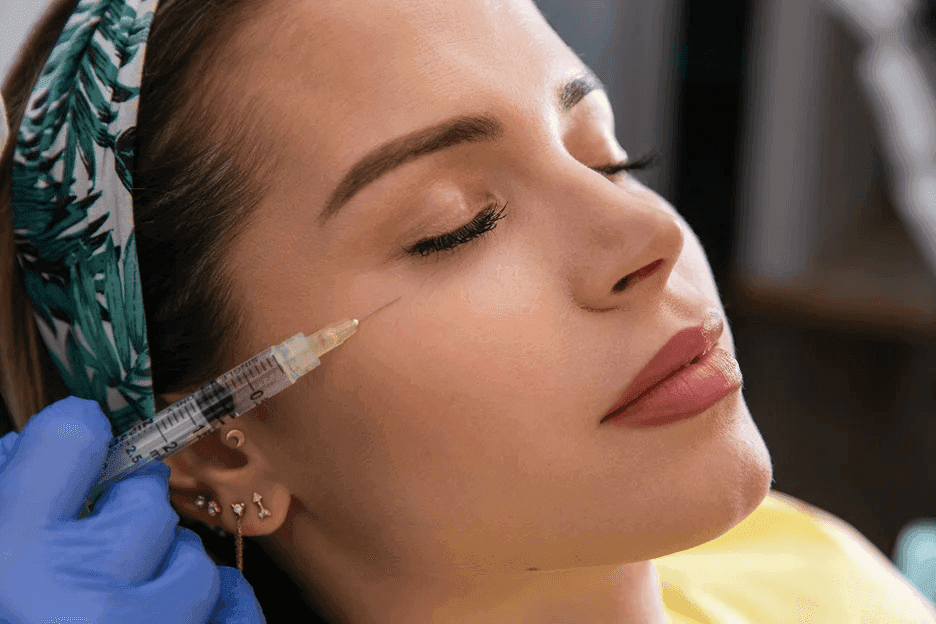
Injection places PDRN inside or just below the dermis. The stated concentration is very close to the effective tissue concentration, aside from small losses in the needle and syringe.
For injection, clinicians should think in mg per session and per area. Higher concentration products allow the same mg in smaller volumes, which can be helpful when space is limited, such as in the under eye zone.
Microneedling assisted delivery
With microneedling, topical PDRN serums are applied and then driven into micro channels. Even with good technique, only a share of the labeled amount will enter the dermis.
Because of that, many clinics select higher labeled concentrations for topical PDRN when it is used with devices.
Pure topical skincare
When PDRN is used only as a cream or serum, without needles or energy devices, penetration is limited. In that setting, the exact mg per mL matters less than overall formula design and use of penetration aids.
Readers who want a molecular view of how PDRN supports DNA repair in tissue, and why that is hard to trigger through surface only care, can review the detailed discussion on PDRN and DNA repair mechanisms.
Why More Is Not Always Better
There is a strong temptation to chase the highest possible concentration. That is a mistake in most routine aesthetic cases.
Higher concentration can raise viscosity, which can limit spread and make injection less smooth. It can also increase early edema and tenderness, especially in thin skin. Patients may read this as a negative experience, even if the biology is not harmed.
Evidence from clinical practice and early studies suggests that steady stimulation across several sessions works better than a single very heavy dose. This pattern mirrors other biostimulatory treatments, such as some polynucleotide and peptide boosters that use repeated mid level doses rather than one large injection.
From a risk control view, moderate concentrations give clinics more room to adjust total dose mid course. If a patient shows stronger than expected response, volume can be reduced in the next session without needing a full product change.
Practical Dosing Patterns By Area
Every clinic builds its own detailed chart, but some broad patterns appear across experienced practices.
Face (full or partial)
Standard concentration products around 1.5 to 2.0 mg per mL are common. Typical patterns include:
- Light coverage for prevention or early aging, small micro deposits across the mid face.
- Moderate coverage for visible texture and tone issues, more points and slightly higher per point volume.
- Focused coverage around nasolabial and marionette regions, often combined with other treatments.
Total dose per session stays within a conservative mg range, then is repeated three or four times.
Neck and decollete
These areas are movement heavy and skin is often thin. Many clinicians drop to 1.0 to 1.5 mg per mL products, with shallow micro injections.
Spacing between sessions can be longer, since mechanical strain is high. Overfilling these regions leads to visible ridging, so concentration and volume both stay modest.
Under eye region
The under eye region is one of the easiest places to create regret. High concentration and large volume cause puffiness and patient concern.
Best practice usually means low to mid concentration, very small aliquots, and longer gaps between sessions. Clinics that are unsure about patient selection for this zone should review broader guidance in the resource on whether PDRN is suitable for a given patient and why dermatology input matters.
Evaluating Product Labels And Marketing Claims
Product labels are not always clear, and marketing messages can hide concentration details behind brand names.
Clinics should look for three key details on any PDRN product box or insert.
- Exact mg per mL or mg per syringe, stated clearly
- Source and type of polynucleotide, such as salmon DNA derived PDRN
- Intended use description, such as mesotherapy, scar revision, or topical care
If concentration is not clearly stated, that is a concern by itself. Vague language such as “high content” or “intense dose” is not enough for safe protocol design.
Some brands group PDRN with other actives such as hyaluronic acid or peptides. In those blends, PDRN concentration can be lower, since support comes from several agents. Clinics should avoid assuming that every product with PDRN on the label carries a therapeutic level of the molecule.
How To Build A Rational PDRN Concentration Protocol
Clinics that want consistent results treat PDRN like any other structured medical tool. That means written plans, not single session guesses.
A practical way to build a protocol is:
- Define target indication and area, such as mild photoaging on the mid face
- Choose concentration range suited to that area
- Set a clear total dose window per session in mg
- Map injection pattern, depth, and interval between visits
- Track outcomes with photos and basic patient feedback
This structure allows gradual adjustment. If texture improves but glow does not, the clinic can adjust interval or total dose, rather than jumping to a new brand or extreme concentration.
Over time, data from a single clinic can match or even exceed broad survey findings. Consistent note taking is more valuable than occasional aggressive dosing.
When To Refer Or Reconsider PDRN Use
PDRN is not the right choice for every skin concern or every patient. Poor indication selection cannot be fixed by concentration changes.
For patients with active infection, uncontrolled systemic disease, or unrealistic expectations, PDRN should be delayed or skipped. For volume loss that clearly needs fillers, PDRN can support tissue quality, but it will not replace structural products.
Clinics that want a broad view of candidate selection, including red flags and ideal profiles, can study the structured guide on PDRN patient choice. This supports better ethical decisions and keeps concentration debates in the right context.
Conclusion: Concentration As A Tool, Not A Selling Point
PDRN concentration should serve protocol design, not marketing slogans. The most reliable results come from matching strength to area, goal, and delivery method, then repeating a sound plan across several sessions.
Clinics that treat concentration as a dial within a larger system tend to see more stable patient satisfaction. Those that chase extreme strengths based on brand claims often meet uneven outcomes and more downtime.
The central idea is simple. Choose a reasonable concentration, plan the total dose, respect the tissue, and measure results. When that framework is in place, PDRN becomes a predictable, valuable part of a clinic toolkit, rather than a confusing trend product.