


Neck aging often appears earlier than facial aging in many patients. Lines deepen, skin loosens, and tone becomes uneven. Standard fillers can look heavy here, and energy devices may not suit every neck. This is where PDRN for neck rejuvenation has gained attention.
PDRN, or polydeoxyribonucleotide, is not a quick cover up tool. It is a tissue healing agent that targets repair at a deeper level. Clinics that use it well treat the neck as a separate project, with its own plan and its own timeline.
What PDRN Actually Does In Neck Skin
PDRN is made from fragments of salmon DNA. These fragments interact with adenosine A2A receptors in skin cells. Those receptors help control local blood flow, inflammation, and repair activity.
When injected in the neck, PDRN seems to:
- Calm low grade inflammation in photo damaged skin
- Support collagen and elastin repair over several weeks
- Improve microcirculation and tissue hydration
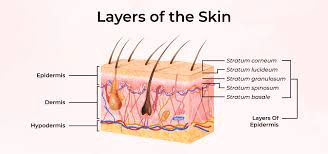
Review articles on salmon derived PDRN describe these aesthetic effects as gradual but meaningful, especially where chronic sun exposure is present. Understanding these mechanisms helps practitioners develop protocols that respect the biological timeline of tissue repair.
For readers who want a deeper science review, the broader mechanisms are covered in detail in the guide on what PDRN is and how it works. This foundation helps explain why neck protocols differ from facial approaches.
Why The Neck Responds Differently Than The Face
The neck is not just “lower face”. Its anatomy and behavior differ in ways that directly impact treatment planning and outcomes.
Structural limits of the neck
Neck skin is thinner and has less support fat. There are also fewer pilosebaceous units, which affects healing speed and barrier repair. These anatomical differences mean that aggressive protocols successful on the face may prove problematic on the neck.
This is why aggressive energy treatments can leave neck skin looking tight yet flat or even more lined. The support base is limited. A biostimulatory product like PDRN, which supports gradual matrix repair, fits this area well.
The principles that make PDRN effective for photoaging reversal apply particularly well to neck skin, where cumulative UV damage often exceeds facial exposure due to neglected sun protection.
Motion and chronic strain
People bend the neck for screens all day. Horizontal folds deepen, and vertical platysma bands pull the tissue down. Injectors report that PDRN works best on texture, fine creases, and tone, while bands and heavy laxity still need other tools.
The most realistic view is simple. PDRN is a foundation treatment for quality. It is not a full lift. For patients seeking comprehensive rejuvenation, combining PDRN with fillers safely may address both tissue quality and structural volume needs.
Core Injection Protocols For PDRN Neck Rejuvenation
Protocols differ by brand, but certain patterns repeat in experienced clinics. Understanding these frameworks helps both new practitioners and patients set appropriate expectations.
Treatment planning and dosing
Most practitioners start with a series, not a single session. A common pattern is:
- Session count: 3 to 4 sessions as a base course
- Interval: Every 2 to 4 weeks, depending on recovery
- Dose: Often 1.0 to 2.0 ml for the neck per session
For clinicians who are new to these methods, the wider context of dosing and product choice is covered in the overview on PDRN in aesthetic medicine. Systematic protocol development prevents both under-treatment and excessive tissue stress.
Technique choices
Three main methods are used, often in combination:
- Micro bolus injections in a grid pattern across the neck
- Linear threading along deeper horizontal lines
- Cannula fanning for very thin or fragile skin
Hyaluronidase sensitive fillers are usually kept away from the field on the same day. Some clinics pair PDRN with light microneedling in later sessions, once they understand each patient’s healing pattern. That topic is explored more in the guide on PDRN and microneedling results.
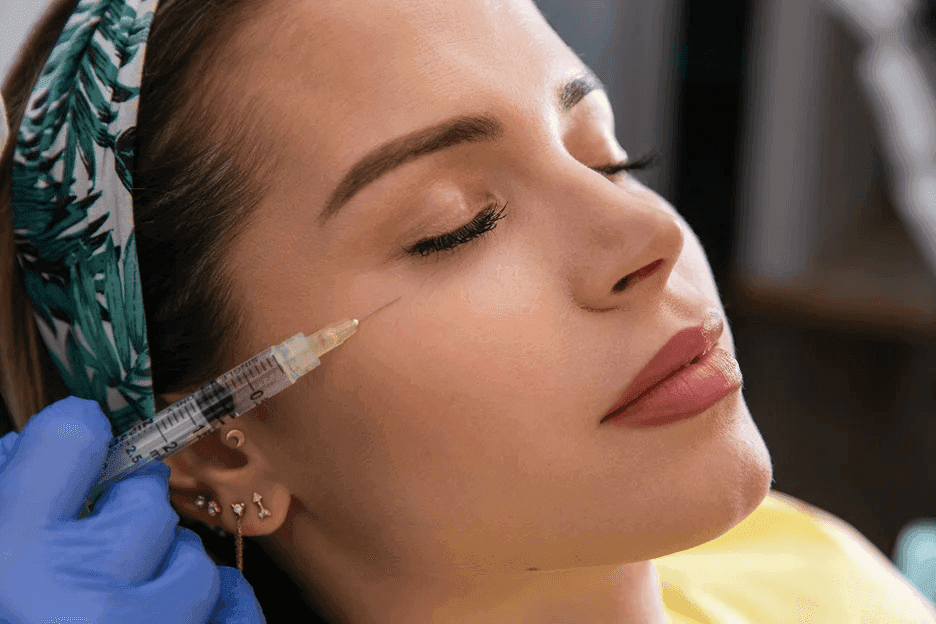
Understanding microdosing PDRN techniques can further refine neck protocols, where precise placement and volume control matter more than in areas with thicker tissue.
What Results Clinics Actually See
There are fewer neck specific trials for PDRN compared with facial use. However, the pattern of change that clinics describe is fairly consistent across multiple practice settings.
Texture and fine lines
Most patients show the first clear changes after the second or third session. The skin surface looks more hydrated and light reflects more evenly. Fine cross hatching lines soften first, then shallow horizontal lines.
Clinicians usually describe the effect as subtle but real. The neck rarely shows the kind of sharp change seen with filler in lips or cheeks. Instead, there is a slow upgrade in skin quality.
This gradual improvement aligns with how PDRN accelerates wound healing, where tissue repair follows biological timelines rather than instant transformation.
Color and photo damage
In patients with chronic sun exposure, redness and patchy tone often improve over the course. The effect is not equal to full resurfacing, but it is visible. This aligns with broader data on PDRN in photo aged skin, where gradual collagen repair supports better texture and tone, as discussed in work on PDRN and sun damage.
For patients with visible pigmentation, understanding PDRN and hyperpigmentation mechanisms helps set realistic expectations about which color concerns PDRN can address versus those requiring targeted pigment therapy.
Firmness and laxity
This is where expectations must stay very clear. Mild laxity may tighten a little as collagen improves. Moderate to severe neck sagging does not reverse with PDRN alone. Many clinics pair PDRN with ultrasound or radiofrequency tightening to address this layer.
Where PDRN Fits Among Other Neck Treatments
Neck protocols are rarely single tool projects now. Clinics mix biostimulants, energy devices, and in some cases thread lifts. So it is fair to ask where PDRN stands in that mix.
In practice, PDRN works best as a quality builder, not as a volume or lifting tool.
For example, a clinic may stage care as follows:
- PDRN series to improve texture and healing capacity
- Focused energy treatment for laxity in selected zones
- Small volume filler for etched horizontal lines if still present
This order often leads to fewer complications and a more natural neck, because the skin itself is in better shape before more aggressive steps. Understanding patient selection for PDRN becomes critical in determining which patients benefit most from this staged approach.
Safety Profile And Practical Risks
Neck skin has less room for error. So safety details matter more than in many other treatment areas.
Clinics that use PDRN on the neck report a pattern of mainly mild events:
- Pinpoint bruises at entry sites
- Temporary swelling that settles within a day or two
- Short lived tenderness or tight feeling in treated zones
Allergic reactions to properly purified PDRN appear rare in reports so far. Review authors highlight an overall favorable safety profile for salmon derived PDRN products in aesthetic use.
Standard injection precautions still apply. These include careful depth control, slow product placement, and respect for known vascular pathways in the neck. Practitioners benefit from understanding PDRN shelf life, storage, and handling to ensure product integrity.
For clinicians building skill with these tools, formal courses on PDRN training and certification can be useful. Proper education reduces complication rates and improves patient satisfaction.
Post-treatment protocols also matter. Clear guidance on PDRN aftercare essentials helps patients optimize healing and avoid activities that might compromise results.
Evidence Gaps And What To Watch Next
Neck specific PDRN research still trails facial studies and wound work. However, trends in related fields are useful. One recent trial on platelet rich plasma for neck wrinkles, for example, compared injection alone with energy device combinations and tracked wrinkle change over time.
While that study used PRP, not PDRN, it underlines a key point. Neck rejuvenation works best when both biology and structure are addressed. PDRN sits firmly on the biology side.
Readers who want a broader view of how PDRN performs across indications can review the summary on PDRN clinical efficacy and evidence. Understanding the evidence base helps practitioners make informed protocol decisions.
For practitioners considering combination approaches, PDRN and Botox safe combinations offers insights into layering treatments for comprehensive neck rejuvenation.
When PDRN Neck Treatment Is Worth Considering
PDRN for neck rejuvenation is most defensible when:
- The main problem is fine lines, crepey texture, and dull tone
- Laxity is mild, without heavy banding or deep fat loss
- The patient can commit to a series, not a single visit
It is less ideal as a stand alone fix for:
- Marked sagging and strong platysma bands
- Very deep, etched horizontal neck lines
- Patients seeking instant, high contrast change
Used with clear goals, PDRN can raise the ceiling on what other neck treatments can deliver. Used as a quick patch, it often underwhelms.
Understanding broader tissue repair principles, such as PDRN’s role in anti-inflammatory response, helps explain why neck protocols require patience and realistic timeline expectations.
Final Thoughts
PDRN for neck rejuvenation is not hype in search of a use case. It fills a very real gap between gentle topical care and more aggressive neck work.
Clinics that see the best results treat it as long term skin rehab. They explain that neck tissue needs time to rebuild, then they stack other tools on top of that better base.
For professionals who want to integrate PDRN across face, neck, and hands, the article on PDRN for hand rejuvenation offers a useful model for multi site planning. The principles of treating thin, photoaged skin apply across all these delicate anatomical areas.
Similarly, PDRN for stretch marks and body rejuvenation demonstrates how tissue repair principles extend beyond facial applications to areas of textural concern.
In short, PDRN will not replace every neck treatment. It will, however, make many of those treatments work better, look softer, and age more gracefully over time. When integrated thoughtfully into comprehensive protocols informed by PDRN market trends and regulatory oversight, neck rejuvenation with PDRN represents a valuable addition to modern aesthetic practice.