

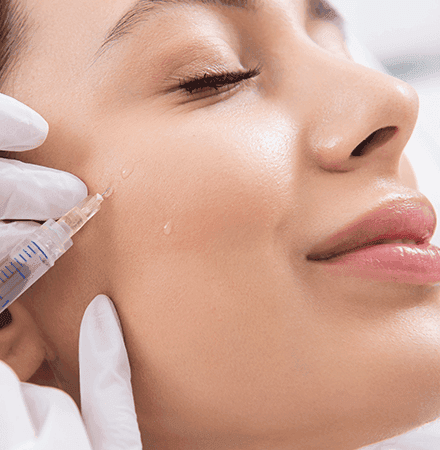
PDRN did not start in beauty clinics. It started in recovery wards, on damaged skin and slow healing tissue. The early work had nothing to do with glow, glass skin, or social media trends.
That twist matters. A treatment that began in wound repair labs now sits in tiny glass vials next to filler and toxin. Clinics use it for scars, photoaging, and fine lines. Brands sell creams that brag about salmon DNA on the front label. Some claims are bold. Some are careless.
This article looks at how PDRN moved from raw salmon tissue to controlled extraction, then into modern skincare. It also explains why the backstory helps experts filter hype from real science.
What PDRN Actually Is, Before The Hype
Before any history, the term needs to be clear. PDRN, or polydeoxyribonucleotide, is a mix of DNA fragments. Those fragments sit in a sweet spot in size. They are small enough to be bioactive, but not so small that they lose structure.
Early research used PDRN from salmon or trout. Fish were not chosen for trend value. They were chosen because their DNA is easy to source in large volumes and has low risk of human disease transfer.
Clinicians first used these DNA fragments for tissue repair and anti inflammatory support. Later, cosmetic science took the same concept and pushed it toward anti aging and tone repair.
For a deeper base on the ingredient, the core science is covered in the guide on what PDRN is and how polydeoxyribonucleotide skincare works.
The First Wave: PDRN As A Medical Repair Tool
The first structured work around PDRN sat inside medical research. The focus was recovery, not beauty.
Studies looked at how salmon DNA fragments helped tissue regeneration and growth factor release. One review on salmon derived PDRN for aesthetic and medical use tracked how it supported wound repair and collagen activity in damaged skin, burns, and chronic ulcers, long before any serum hype appeared.
The core pattern from those early trials was simple.
PDRN did three main things on damaged skin. It supported cell growth, it helped control inflammation, and it boosted local growth factor levels. None of that is subtle. For patients with slow wound repair, that mix had clear value.
From Tissue Repair To Anti Aging
Once those recovery results were clear, the shift to aging skin was almost a cliché. If an ingredient can support new tissue in damaged skin, it might help aging tissue too.
A later paper framed PDRN as a promising skin anti aging agent, tying the story to collagen support, better extracellular matrix health, and improved texture over time.
That jump was not instant. It took years of trial work and dose testing. But the logic was direct, and clinics noticed.
Why Salmon DNA, Of All Things
The salmon part tends to distract people. It sounds like a marketing stunt. It is not.
Fish sperm and milt have been used as DNA sources for decades in lab work. The tissue is rich in long DNA chains, and supply is stable. For PDRN, the key needs were clear. A steady source, low human pathogen risk, and a structure that could survive extraction.
A recent review on PDRN extraction for cosmeceuticals describes how current methods use controlled enzymes and purification steps. The goal is to reach a narrow range of DNA chain sizes with high purity.
The process looks dry on paper. Tissue harvest, DNA isolation, cutting, filtration, sterilization. Yet every stage affects safety and activity. When companies skip quality steps, the result is not a “weaker serum”. It can be a very different substance.
The Mechanism: How PDRN Talks To Skin Cells
The jump from raw DNA to visible results sounds like magic at first. It is not magic. It is cell biology.
Experts now tie most PDRN effects to two linked ideas. DNA repair support and activation of specific cell receptors.
PDRN fragments can act as a source of building blocks for damaged DNA. They can also bind to receptors, for example A2A adenosine receptors, that regulate inflammation and tissue repair. The combined effect is more controlled healing, more collagen, and less chronic irritation.
A detailed breakdown of this process is set out in the guide on how PDRN supports DNA repair at the cellular level. That guide tracks the path from receptor binding to growth factor release.
Clinicians tend to care less about each receptor and more about clear patterns. With regular use, PDRN treatments often show smoother texture, stronger barrier behavior, and better tolerance to other active treatments. That is the practical outcome of the mechanism.
From Injections To Topical PDRN: Delivery Evolves
The first PDRN products in clinics were not gentle. They were injections.
PDRN entered practice as intradermal or subcutaneous shots, often in mesotherapy style grids. Patients did not come in for “glow”. They came in for ulcers, scars, or slow healing tissue.
Over time, aesthetic clinics began to use those same injections for fine lines, neck texture, acne scars, and under eye quality. The logic was direct. If a tissue repair tool can improve damaged skin, it can likely improve photoaged skin too.
The Topical Turn
The topical shift came later, as extraction methods improved and cosmetic chemists tested lower dose formats.
Recent work on PDRN in cosmeceuticals shows how improved extraction, better stability, and smarter carrier systems allow active DNA fragments to sit in gels and creams without fast breakdown.
A separate review on salmon DNA in skin regeneration and anti aging discusses how topical formats can still drive collagen support and barrier gains, even without needles, when the formula and dose are correct.
Clinics now mix and match. Some protocols use PDRN injections for deep support, then layer topical PDRN for maintenance between sessions. That tiered use is where the ingredient starts to look less like a trend and more like a system.
Evidence: When PDRN Went From Interesting To Serious
A turning point for any active is the move from case reports to structured data. PDRN crossed that line some time ago.
Researchers gathered clinical data on texture, fine lines, and recovery time in real patients. Those trials compared PDRN treatments with control products and standard care. Results pointed toward better texture, faster repair, and more even tone.
An overview of this work, along with key trial findings, is laid out in the review on PDRN efficacy and the real data behind common claims. That review separates marketing phrases from trial endpoints, which is refreshing.
The core point is clear. PDRN is not a miracle molecule. It is a reliable bio stimulator with a decent body of clinical support. That puts it ahead of many trending actives that rely only on in vitro claims.
The Beauty Industry Discovers PDRN
Once the data reached a certain weight, the beauty industry did what it always does. It turned a serious medical tool into a story.
Trade coverage now tracks the rise of PDRN skincare inside a wider move toward “slow aging” and longevity focused products. Retailers carve out corners for active driven serums that claim to build skin function over time, not just hydrate for one day.
That shift is not all bad. It brings real ingredients to a wider public. It also creates clutter.
Many brands now place “salmon DNA” in big type on the front label, then hide very low doses in the back. Some call any marine extract “PDRN”, even when there is no controlled DNA fragment profile in the product. That behavior drags down trust.
How Extraction Tech Changed The PDRN Story
Extraction is the quiet part of this history, yet it decides almost everything.
Early PDRN sources were crude by current standards. DNA was present, but chain lengths and purity varied. Modern processes use more precise control, and that control drives both safety and performance.
A recent review on novel PDRN extraction for cosmeceuticals highlights three key gains. Cleaner removal of proteins and endotoxins, tighter control of DNA size ranges, and better stability once the ingredient sits inside finished formulas.
Those gains matter more than the front label story. A well controlled PDRN source with tested purity is not the same as a random “fish DNA” extract.
Where PDRN Fits Among Other Regenerative Tools
Clinics that work with PDRN rarely use it alone. It sits beside PRP, exosomes, peptides, and classic retinoids. The question is not “PDRN or something else”. The real question is where it adds the most value.
A practical way to place PDRN is by function.
- It sits stronger than simple peptides on true regeneration.
- It sits gentler than high dose retinoids on irritation.
- It sits more controlled and repeatable than PRP, since the material is standardized.
For many aesthetic teams, that mix is ideal. PDRN becomes the quiet workhorse that improves texture, recovery time, and barrier behavior without constant flare ups.
Clinics, Patients, And The Reality Check
Marketing makes PDRN sound like a shortcut. The clinical side tells a more measured story.
Experts who use PDRN in practice tend to agree on a few points. These patterns come up often.
- PDRN works best in protocols, not as a one off.
- It pairs well with lasers, microneedling, and energy devices.
- It helps more with texture, tone, and recovery than with deep folds.
- It requires quality control on source and dose.
Results can be strong, but they are still tied to a clear plan, skin type, and honest time frames.
How Modern PDRN Serums Are Built
Modern PDRN serums do not live on DNA alone. Formulators mix support ingredients around the active. The goal is to help penetration, protect the DNA fragments, and support barrier repair.
For professionals, the interesting part is not the pretty texture. It is how the carrier holds the DNA fragments stable and how often the product is used. A well built serum used in a clear plan can support clinic work in a useful way.
Red Flags In The Current PDRN Market
The growth of PDRN in skincare has brought clear problems. Some are annoying. Some are serious.
The most common warning signs in current products and marketing include:
- Vague claims about “marine DNA” with no chain size data
- No clear source or grade of PDRN on any document
- Heavy focus on salmon in the story, little focus on trials
- Very low placement of PDRN on the ingredient list
- Claims that PDRN alone can replace filler or surgery
A product that treats PDRN as glitter, not as a studied active, is not worth professional time.
Why The History Matters For Future Practice
It might be tempting to treat PDRN as just another trend. That view misses the point.
The history shows a clear path. Medical use in repair, solid work on mechanism, controlled extraction, then slow integration into aesthetics and retail skincare. That path is not perfect, but it is real.
Professionals who understand that story are better placed to judge new claims. When a brand suggests that a low dose cream can do the same work as a structured injection protocol, the history makes the problem clear.
Where PDRN Is Heading Next
The future of PDRN looks less like one star product and more like a quiet backbone ingredient.
Researchers are already testing smarter carriers, smarter combinations, and tighter protocols. Clinics are pairing PDRN with energy devices, exosomes, and classic retinoid plans. As quality control improves, PDRN is likely to sit deeper inside long term skin health programs, not just inside “glow up” packs.
For now, the most rational use of PDRN keeps three rules in mind.
- Respect the medical roots and the real mechanism.
- Demand clarity on source, dose, and extraction.
- Judge results on texture, barrier strength, and recovery, not miracles.
Experts who hold that line will keep PDRN in the place it deserves, as a serious, well studied regenerative tool, not just another buzzword that fades with the next cycle.