

Most mesotherapy with PDRN fails for one simple reason. The product choice and injection plan do not match the clinical goal. The skin gets many tiny injections, but the biology is not guided.
PDRN mesotherapy has strong support from wound care and aesthetic data. A 2024 review of polynucleotides in regenerative medicine reported clear gains in tissue repair and skin quality when protocols were well planned and consistent. The same logic applies in the clinic with cosmetic work.
This article focuses on how professionals can use PDRN mesotherapy with more intent. The focus is on technique, product selection, and how to think about evidence, not on brand hype.
What PDRN Actually Does In Mesotherapy
PDRN stands for polydeoxyribonucleotide. It is a chain of DNA fragments, often from salmon or trout. In skin, it acts mainly by binding to the A2A adenosine receptor, which signals repair and calms low grade inflammation.
Clinical work on PDRN shows three key effects. First, it increases fibroblast activity and collagen production. Second, it improves tissue healing in chronic wounds and grafts. Third, it reduces redness and some forms of irritation.
A broad review of PDRN efficacy in both wound care and cosmetic work is outlined in Understanding PDRN Efficacy: The Data Behind the Claims. Understanding the evidence base helps practitioners select appropriate cases and set realistic expectations.
For mesotherapy, this means PDRN is best used as a skin quality drug, not as a filler. It supports dermal repair, texture, and tone over time. It does not create instant volume. This principle aligns with how PDRN accelerates wound healing and recovery in deeper tissue layers.
When PDRN Mesotherapy Makes The Most Sense
PDRN mesotherapy is most logical in three main groups. Patients with photoaging and dull texture. Patients with fine lines and mild laxity who are not ready for filler. Patients after energy devices or peels who need support in healing.
PDRN also has a role in sun damage repair. Data on UV injury and collagen loss support its use as part of a broader plan that can include topical care and energy devices. A detailed review of this topic can be found in PDRN and Sun Damage: Reversing Photoaging.
For deep folds, strong sagging, or very thick sebaceous skin, PDRN mesotherapy is often not enough on its own. In those cases, it is better as a support layer under fillers, threads, or focused ultrasound. Understanding patient selection for PDRN ensures optimal candidate identification.
Core Technique: Depth, Volume, And Pattern
Mesotherapy with PDRN looks simple, but details matter. Poor planning gives more bruising than gain. A precise plan starts with three linked points: depth, volume per point, and spacing.
Choosing The Right Depth
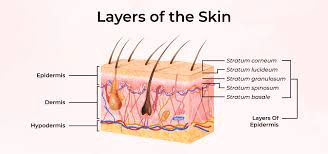
For most face work, the ideal plane is superficial dermis. That is a depth of about 1 to 2 millimeters. Too shallow, and the product leaks. Too deep, and it sits in fat and works less on dermal cells.
Neck and décolletage skin is thinner. Many experts use 0.5 to 1 millimeter here. For the dorsal hands, a slightly deeper plane is often used, because the dermis is close to tendon and vessel planes. Hand protocols are covered in detail in PDRN for Hand Rejuvenation: Anti-Aging Protocols That Actually Work.
Volume And Injection Pattern
Small aliquots are better for PDRN. Typical volumes are 0.02 to 0.05 milliliters per papule, with spacing of about 0.5 to 1 centimeter. Larger boluses tend to cause more swelling and do not give better collagen gains.
Professionals often choose between:
- Nappage with very small droplets over large areas
- Point by point papules with clear grid spacing
Point by point patterns give more control and more even dosing. Nappage is faster, but can be less precise. For refinement of technique, microdosing PDRN techniques for targeted treatment offers additional precision strategies.
Product Selection: What Actually Matters
There are many PDRN meso vials on the market. Labels can look similar, yet the clinical feel is very different. Good product selection rests on four main factors.
1. PDRN Concentration And Chain Size
Higher concentration is not always better. Very high PDRN loads can increase viscosity and injection pain without clear gains in outcome. Most face work uses low to mid range levels.
Chain size is often not listed in detail, but it matters. Mid length fragments tend to give a good mix of receptor action and safe breakdown. Understanding what PDRN is and how it works provides foundation knowledge for evaluating product specifications.
2. Vehicle And Mix
Some PDRN meso vials include hyaluronic acid, vitamins, or amino acids. These mixes are common in mesococktails, as noted in a review on mesoproducts in aesthetic dermatology.
Combined products can give better comfort and short term glow. Pure PDRN can be safer for reactive skin or for use with other injectables. For patients with sensitive skin requiring anti-inflammatory benefits, cleaner formulations often prove optimal.
3. Indication Match
Product choice should follow the main treatment goal.
- For texture and fine lines, a mid range PDRN with a small amount of non crosslinked hyaluronic acid works well.
- For redness prone or sensitive skin, a cleaner PDRN formula with fewer extras is safer.
- For post procedure repair, a product with clear data in wound or graft care is ideal.
Experts who work with multimodal plans often map PDRN products against other tools. A helpful high level view of PDRN use in aesthetic clinics is given in PDRN in Aesthetic Medicine: A Practitioner’s Overview.
Protocol Design: Sessions, Spacing, And Stacking
PDRN is not a one session tool. It works by guiding slow dermal repair. That means series planning is vital.
Most face plans use 3 to 4 sessions, spaced 2 to 4 weeks apart. Mild cases or young skin may need fewer visits. Severe photoaging can need more.
Stacking PDRN with other methods can give stronger gains when done with care. Examples include fractional lasers, gentle peels, and microneedling. When using needles, some experts prefer to separate PDRN injections and device work by several days. That reduces swelling and lets the skin settle between hits. Guidance on this timing can be seen in PDRN and Microneedling Results: Managing Expectations.
For practitioners considering combination approaches with neuromodulators, PDRN and Botox: Safe Combination Treatments provides spacing and timing guidelines. Similarly, understanding PDRN with fillers: combining treatments safely ensures optimal protocol integration.
Safety, Pain Control, And Patient Selection
PDRN is generally well tolerated. Most issues are linked to technique, not the molecule. Common short term effects include pinpoint bruises, swelling, and local pain.
Careful screening still matters. Chronic infection, active acne in the field, and known fish or product allergies call for caution.
For pain control, topical anesthetic for 20 to 30 minutes is often enough. Small gauge needles, slow injection, and room temperature product also help. Post-treatment guidance in PDRN aftercare: essential tips for optimal results supports patient comfort and healing.
How To Think About Evidence And Hype
PDRN has more clinical backing than many meso actives. Yet much of the public marketing is still stronger than the data. Professionals who want to use it well should keep three points in mind.
- Look for trials with clear endpoints such as dermal density or wrinkle grade.
- Give honest time frames. True change often shows after several months, not days.
- Use PDRN as a base layer of repair, not as a cure for all issues.
Readers who want a deeper science review can study What is PDRN? The Complete Guide to Polydeoxyribonucleotide Skincare, which covers origin, mechanism, and core benefits. For understanding DNA repair mechanisms specifically, Understanding PDRN’s DNA Repair Mechanism provides molecular-level detail.
Storage, Handling, And Quality Control
Product integrity matters as much as technique. PDRN stability depends on proper storage and handling protocols.
Practitioners should understand PDRN shelf life, storage, and handling for clinicians to maintain product efficacy. Temperature control, light exposure, and reconstitution timing all affect clinical outcomes.
For broader supply chain considerations, where to buy PDRN: vetting suppliers and protecting authenticity helps clinics establish reliable sourcing relationships that ensure consistent product quality.
Training And Professional Development
Mesotherapy technique requires systematic education. PDRN training courses and certification for practitioners offer structured pathways for skill development and protocol refinement.
Understanding PDRN regulatory status: global compliance overview also helps practitioners navigate legal requirements and maintain appropriate practice standards across different jurisdictions.
Closing Thoughts: Using PDRN Mesotherapy With Intent
PDRN mesotherapy is most powerful when used with clear goals. Product choice, depth, and series design all have to align with those goals. When that happens, skin quality gains are steady and visible.
Professionals who treat PDRN as a precise biologic tool, not as a generic glow shot, tend to get better results and happier patients. They match the molecule to the problem, and they respect the slow pace of dermal repair.
For practitioners interested in comprehensive tissue repair approaches, PDRN vs peptides: choosing the right bio-stimulator helps contextualize PDRN within the broader regenerative aesthetic landscape.
PDRN mesotherapy will likely stay in modern practice. The task now is not to add more brands, but to refine protocols, share real world data, and keep treatment plans honest and evidence based. By understanding PDRN market trends, growth and regulatory outlook, practitioners can position themselves at the forefront of this evolving field.