

Most PDRN failures are not product issues, they are technique issues. The material is usually fine. The dilution is often fine. The problem is where and how it is placed.
Many clinics report soft, vague results from PDRN injections. Then one experienced practitioner joins the team, uses careful technique, and the same product gives clearly better skin quality. Technique matters at every step, from patient choice to needle depth.
This guide keeps focus on practical detail. It assumes that the reader understands basic injectable skills and wants clear structure for PDRN specific work. For science background, practitioners can review the broader overview in PDRN in aesthetic medicine.
Understanding what PDRN actually does in tissue
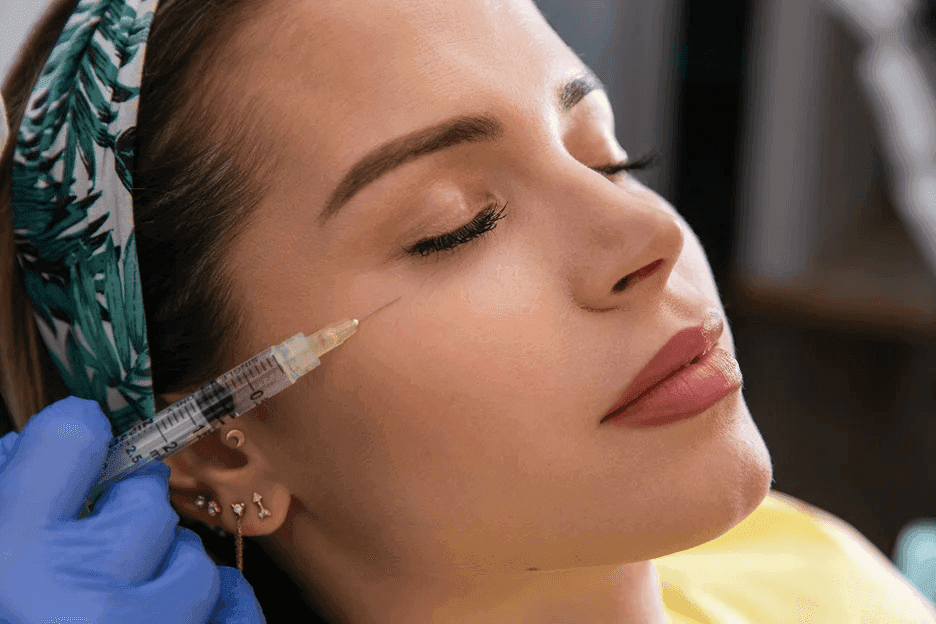
PDRN is a polydeoxyribonucleotide fragment mix, usually from salmon DNA. It works mainly through adenosine A2A receptors, which support tissue repair and reduce local inflammation. It is not a filler and not a toxin. It is closer to a signal booster for healing.
In clinical practice, this means PDRN fits best when the main target is skin quality. Fine lines, dull tone, texture, and mild atrophy respond better than deep folds. Evidence summaries, such as the review in Understanding PDRN efficacy, support use in wound healing and photoaged skin.
Practitioners should keep one key point in mind. PDRN needs viable cells that can respond. It will not rebuild a deeply scarred cheek in a few sessions. It will help a tired, sun damaged face recover better collagen and better barrier function over time.
Patient selection and expectation setting
PDRN injection is attractive because it is seen as gentle. That can create unrealistic hope in some patients. Careful selection avoids that.
Good candidates
Ideal candidates share some features.
They have mild to moderate photoaging, such as dull skin, fine wrinkles, and mild laxity. They accept gradual change and can follow a series plan. They are not focused only on deep folds or instant lifting.
Patients with chronic redness or sensitive skin often respond well. They may notice faster barrier recovery and less flare after other procedures. Clinics in Asia and Europe report clear demand in this group, as seen in procedure notes from Korea based PDRN guides.
Less suitable candidates
Some patients should be guided to other tools first.
Those seeking a single session result for a major event will often be unhappy. Patients with marked volume loss need fillers or fat transfer as a base. Deep etched lines respond better when mechanical support comes first.
Patients with active skin infection, uncontrolled systemic disease, or pregnancy should wait. Standard injectable safety rules apply. PDRN is not a reason to relax those rules.
Product choice, concentration, and preparation
Not all PDRN products behave the same in practice. Practitioners should read full product data, not only marketing material.
Concentration and viscosity
Lower concentration products suit mesotherapy style work. They spread well in the superficial dermis and sting less. Higher concentration products can sit slightly deeper and may feel thicker on injection.
Very viscous mixes can tempt practitioners to inject too deep. This reduces the skin quality effect, since the active material sits away from the target layer. If a product feels too thick for easy dermal placement, gentle warming in the hand for a short time can help.
The importance of product quality is covered in the guide on PDRN sourcing and quality ingredients.
Mixing and combination use
PDRN is often paired with other tools. Some clinics mix it with non cross linked hyaluronic acid. Others prefer stand alone injection then use fillers or energy devices in later visits. For safe combination patterns, practitioners can review PDRN with fillers protocols.
Products should not be mixed in the same syringe without clear manufacturer support. Off label mixing adds unknown risk and makes it harder to track any reaction source.
Injection planes by region
Plane choice controls both safety and effect. PDRN needs to sit where skin cells can react. Too deep, and the product is wasted. Too superficial, and papules can last too long.
Face
For general facial rejuvenation, many practitioners use superficial to mid dermal placement. That means very shallow wheals under thin skin and slightly deeper lines in thicker zones.
In the forehead, a very superficial dermal plane reduces the risk of bruising and nodules. In the cheeks, a mid dermal line along the zygomatic area can support texture and glow.
Periorbital work demands extra care. Fine needles, low volume per point, and very shallow plane reduce swelling risk. Some clinics prefer cannula work in this region, although many still use needles with very small deposits. The guide on PDRN for undereye treatment covers this area in detail.
Neck and hands
The neck skin is thin and mobile. A grid of tiny superficial deposits works better than larger boluses. Product should be kept superficial to avoid band accentuation.
For hands, some practitioners combine PDRN with filler work. The filler supports volume, and PDRN supports skin texture. Hand specific guides, such as the protocol review in PDRN for hand rejuvenation, give clear dosing ranges and spacing tips.
Technique patterns that actually work
Several technique styles can be used with PDRN. The best choice depends on region, indication, and patient comfort.
Micro bolus grid technique
This is the workhorse pattern in many clinics.
The practitioner marks a grid over the treatment area, often with spacing of about one centimeter between points. At each point, a tiny volume is placed into the superficial dermis.
Typical deposits range from 0.01 to 0.03 milliliters per point. Smaller volumes give smoother surface texture and faster resolution of wheals.
Linear threading technique
Linear threading suits areas such as the jawline and neck bands. The needle enters at a shallow angle, then a small thread of product is laid as the needle withdraws.
This pattern follows the natural tension lines of the skin. It gives more continuous support rather than isolated papules.
Cannula assisted technique
Some practitioners prefer cannula use for large zones, such as the full cheek. A soft cannula can reduce bruising and improve patient comfort. Product is fanned through the mid dermis or deep dermis depending on target.
The trade off is precision. Cannula work demands strong tactile sense to avoid slipping too deep. For many, a hybrid approach works best, using cannula for volume areas and needle micro bolus for fine texture work.
Dosing, session spacing, and treatment planning
There is no single correct dose for all patients. Clinic protocols vary, but useful patterns are clear.
Session dosing
Many clinics use about 2 to 4 milliliters per full face in one session. Neck or hand sessions may add 1 to 2 milliliters more. Lower doses still show effect in focused areas, such as the periocular zone.
Practitioners should start on the lower side for first sessions. This allows assessment of response and tolerance before building higher doses.
Course length and spacing
Most protocols use a course of 3 to 4 sessions, spaced two to four weeks apart. Some clinics extend to 6 sessions for older patients or those with heavy photo damage. A maintenance session every few months can help sustain gains.
Sun damage cases often need longer courses. For science detail on this group, practitioners can review PDRN and sun damage guidance.
Pain control and patient comfort
PDRN injections are not painless. Repeated micro injections can cause clear discomfort if pain control is poor.
Topical anesthetic cream, applied for at least twenty minutes, is standard in most clinics. Cooling with packs or air streams during injection can help further.
Some products contain lidocaine in the vial. These feel more comfortable during injection but require extra care in total lidocaine load. For patients sensitive to lidocaine, practitioners should choose plain PDRN products.
Clear communication helps as much as anesthetic. Patients who understand that small wheals and short stinging are expected will tolerate the process better.
Managing common reactions and avoiding complications
Most PDRN injections are uneventful. When problems occur, they are usually mild and short lived, yet they still matter to patient trust.
Expected short term effects
Redness, mild swelling, and small wheals are normal. They usually settle within one to two days. Bruising can occur, especially around the eyes and mouth.
Patients should receive written aftercare. This includes gentle cleansing, sun protection, and avoidance of harsh actives for several days. For topical support and barrier focus, clinics can study PDRN absorption and topical use.
Less common issues
Occasional patients report prolonged papules or small nodules. These often relate to too superficial or too deep placement, or to larger bolus volumes.
Slow massage and time usually resolve them. If signs of infection appear, standard infection management protocols apply. PDRN itself is not the main driver of infection risk. Poor skin prep and technique are the main issues.
Systemic allergic reactions are rare, but injection teams must still have full emergency kits and clear drills, just as with fillers and toxins.
Integrating PDRN into a full aesthetic plan
PDRN is not a stand alone fix for all concerns. It fits best as a base layer for skin quality that supports other work.
Many clinics pair PDRN with microneedling sessions. In this setup, PDRN can be injected in early visits, then used topically with needling. For expectations and timing in this mix, the guide on PDRN and microneedling results gives clear context.
Others combine PDRN with light based devices, spacing treatments to avoid overload. PDRN can help tissue recover from controlled injury while also building long term collagen support. Advanced protocols are covered in combining PDRN with lasers and microneedling.
A simple rule helps planning. Structural changes, like volume and lift, come from fillers, threads, or surgery. Surface and quality changes, like glow, fine lines, and texture, are where PDRN earns its place.
Training, regulation, and staying within scope
Regulation around PDRN differs by country. In some places, it is treated as a medical device or drug. In others, it sits in a gray area. Practitioners must know their local rules and stay within their license.
Course work matters here. Short vendor demos are not enough. Formal training in injection planning, anatomy, and complication handling gives safer and better results. For structured options, practitioners can review PDRN training course overviews.
External resources, such as practical clinic guides from Bio Aesthetic Clinic in Singapore, give a sense of how established centers present PDRN to patients. More science focused sources, like the explainer on how PDRN works at receptor level, support deeper understanding of tissue effects.
Practitioners should also stay current with safety notes from international suppliers. Overviews from distributors, such as the summary on PDRN use and popularity, and practical injection tips from European PDRN resources, help align practice with common standards.
For regional procedure framing, some clinics find it helpful to compare their own approach with public facing notes, such as those listed in Korea based procedure explainers. This helps ensure that patient messaging on results, session counts, and downtime stays realistic.
Regulatory compliance is covered in the guide on PDRN regulatory status and global compliance.
Conclusion: PDRN as a precision tool, not a magic fix
PDRN injections reward precise, thoughtful technique. They punish casual, high volume, scatter shot work with bland results and avoidable complaints. When the practitioner respects anatomy, plane, dose, and timing, PDRN becomes a reliable tool for better skin quality.
The most effective clinics treat PDRN as one layer in a structured plan. They use it to prepare tissue before more aggressive work, to support recovery between device sessions, and to keep long term patients engaged with steady, subtle gains.
Practitioners who want deeper context on the science, regulatory points, and clinical data can explore the wider material at PDRN Guide, including the core explainer on what PDRN is and how it works in skincare. With a solid grasp of both science and technique, PDRN can move from trendy label to stable, trusted part of the clinic toolkit.