

PDRN injections sit in a strange place between skincare and medicine. Clinics promote them as healing treatments, yet many patients still have no clear idea what goes into the syringe. That gap in understanding is where problems start, not in the product itself.
PDRN stands for polydeoxyribonucleotide, a DNA fragment complex that supports repair in skin and soft tissue. It is not magic, and it is not simple filler. When used with skill, it can help tired or damaged skin recover in a way classic hydrating injections cannot.
This guide sets out what patients and clinics should expect from PDRN injections. It focuses on three things that matter most, real safety, what happens in the procedure, and aftercare that protects results.
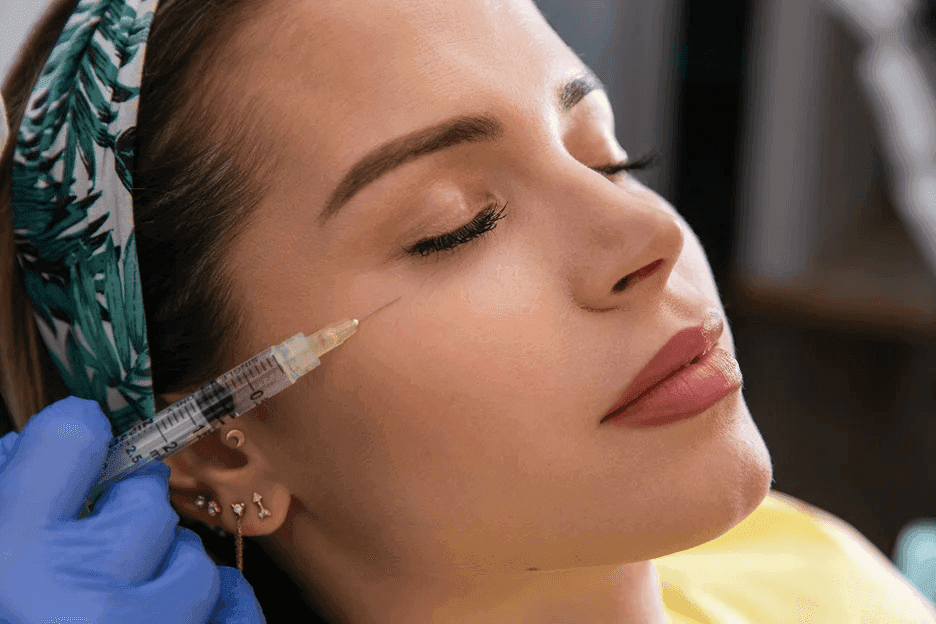
What PDRN Injections Actually Do
PDRN products contain DNA fragments from salmon or trout. Clinics use refined medical grade extracts, not crude fish tissue. These fragments act as building blocks for cell repair, and they also signal skin cells to start healing activity.
Research shows that PDRN can support collagen production and improve skin texture over time. A detailed review of clinical data is set out in the article on understanding PDRN efficacy and the data behind the claims. Results tend to be gradual, not instant, which suits patients who prefer natural looking change.
Specialists in Asia often use branded forms such as Rejuran, which is a well known PDRN based product. Clinics in Singapore, Malaysia, and Korea report steady demand for these treatments, as shown in the overview from Bio Aesthetic Clinic on PDRN injection benefits and pricing.
The key idea is simple. PDRN injections aim to improve skin quality, not change face shape. That makes them closer to medical skincare than to volume filler.
Safety Basics Patients Should Not Skip
Every injection treatment carries risk. With PDRN, those risks are usually mild when clinics follow proper rules. Problems tend to come from poor product sourcing, weak screening, or rushed technique.
Regulators in different regions treat PDRN in different ways. Some classify it as a drug, others as a device or cosmetic product. A useful overview of these differences appears in the guide on PDRN regulatory status and global compliance. Clinics that ignore these rules put both patients and their own license at risk.
Patients should know that high quality PDRN products use purified DNA and have strict testing for safety. Cheap or unverified imports may not meet the same standard. An educational review of supplier issues can be found in the external guide on what PDRN is and why it became popular.
Who Is And Is Not A Good Candidate
Not every patient with dull skin should receive PDRN injections. Good selection protects outcomes and clinic reputation.
Suitable candidates often share some features. Skin that shows early photoaging, fine lines, mild texture change, or early thinning can respond well. Chronic redness and post procedure healing needs are also common reasons for treatment.
Patients with severe laxity or deep folds may expect too much from PDRN alone. Those cases often need filler, devices, or surgery first. An in depth review of how PDRN supports aging skin is set out in the article on PDRN for mature skin and collagen renewal.
There are clear reasons to avoid treatment. These include current skin infection in the area, known allergy to salmon products, uncontrolled autoimmune disease, pregnancy, or current strong anticoagulant use. A cautious clinic will screen for these points in detail.
How Clinics Prepare For A Safe Session
Good PDRN work starts before the first needle pass. The planning phase is where serious clinics stand apart from quick injection outlets.
Medical and treatment planning
Clinics should follow several core steps before treatment.
- Full medical history with focus on skin disease, allergies, and healing issues.
- Review of past procedures, such as filler, threads, or laser, in the area.
- Clear discussion of goals, such as brighter tone or scar support.
- Informed consent that explains off label status where this applies.
This stage often includes photo records under consistent light. These photos help both patient and clinic judge progress later, which reduces conflict.
Product choice and sourcing
Not all PDRN vials behave the same way. Some combine PDRN with hyaluronic acid for extra hydration. Others use higher PDRN strength for stronger healing support.
Clinics should favor products from suppliers with clear quality controls and documented cold chain storage. The guide on PDRN sourcing and why quality ingredients matter explains how poor handling can weaken or contaminate the active material.
Step By Step: What Happens During PDRN Injections
The exact method depends on the brand and the treatment area. Still, most face sessions follow a predictable path.
Arrival and numbing
The patient arrives with clean skin, free from heavy makeup. Staff cleans the area again and may apply topical numbing cream. Some clinics skip cream for small zones, such as the under eye.

Injection pattern and depth
PDRN is often injected using mesotherapy style micro injections across the target area. Some brands prefer deeper micro bolus points in the mid dermis. An expert guide for professionals is set out in the detailed PDRN injection technique overview for practitioners.
The injector follows a planned grid or vector map. Needles are usually short and fine. The patient will feel light pricks and mild pressure, stronger near bone or near the mouth.
Time and comfort
A full face treatment can take from twenty to forty minutes. The under eye or neck usually needs less time. Clinics should monitor patient comfort and adjust pace or needle angle when pain spikes.
In many cases the procedure pairs with other treatments. For example, some clinics use low energy laser or microneedling first, then apply PDRN. Safe pairing principles are set out in guides on combining PDRN with lasers and microneedling and also in the article on PDRN and microneedling results and expectations.
What Normal Recovery Looks Like
Most patients can return to daily life the same day. Still, clinics should prepare patients for short term changes so they do not panic.
Common and expected reactions include light redness, small bumps at injection sites, mild swelling, and slight tenderness. These effects often settle within twenty four to forty eight hours.
Bruising is possible, especially around the mouth or under the eyes. Those marks may take up to a week to fade. Clinics that warn patients about this risk keep trust intact.
Rare but serious issues include infection, vascular compromise, or strong allergic reaction. While these events are uncommon, clinics must have protocols and supplies in place before the first injection.
Aftercare Rules That Actually Matter
Aftercare advice should be clear, short, and realistic. Overly strict rules lead to poor patient compliance, yet a few points are non negotiable.
Patients should avoid heavy makeup on the treated area for at least one day. They should skip hot saunas, hard exercise, and alcohol for the first night, since these can worsen swelling and bruising.
A more detailed set of skin care rules, including how to adjust home products, can be found in the focused guide on PDRN aftercare and essential tips.
Clinics often share the following simple list, printed or sent by email.
- Keep the area clean and avoid touching injection sites with unwashed hands
- Use gentle cleanser and bland moisturizer, avoid harsh acids or scrubs
- Apply broad spectrum sunscreen daily, at least SPF 30, and reapply outdoors
- Sleep with head slightly raised on the first night to limit swelling
- Call the clinic at once if pain, redness, or swelling worsens sharply
This type of list sets firm rules without scaring patients away from normal life.
How Long Results Take And How Long They Last
PDRN injections do not behave like filler, which can give instant change. Most patients notice clearer glow and smoother texture over several weeks, as skin repair pathways respond.
Clinics often suggest a course of three to four sessions, spaced three to six weeks apart. Some providers use different numbers, but the idea is the same, build change with repeated signals. Details of treatment timelines are discussed in the overview on PDRN in aesthetic medicine and practitioner protocols.
Results can last several months once the course is complete. Patients who protect their skin from sun and maintain simple care tend to hold results longer. Those who return to strong UV exposure or harsh procedures may see benefits fade sooner.
Clinics should be honest that PDRN will not stop aging. It can support better quality aging, with softer lines and more even tone, but it cannot freeze time.
Risks, Myths, And Red Flags
There is no perfect treatment, and PDRN is no exception. The key is to separate real risks from online myth.
Some patients worry about fish based allergy. True allergy to salmon protein is rare, and the purification process reduces risk, but patients with clear fish anaphylaxis should avoid treatment. Patch testing is not very helpful here and can give false comfort.
A second myth is that PDRN injections are fully natural and therefore always safe. That idea is dangerous. Any injection can lead to infection or vessel problems. Clinics must follow sterile technique and sound anatomy training.
Patients should be cautious when clinics offer very low prices that do not match the local market. Those offers may signal grey market product or rushed high volume sessions. A technical external guide on clinical PDRN injection use and essential tips explains why quality product and time per patient both matter for safe work.
Another red flag is a clinic that cannot explain what is being injected. If staff use vague words and cannot name the exact product and dose, patients should walk away.
How PDRN Fits With Other Regenerative Options
PDRN sits beside treatments like PRP, peptides, exosomes, and classic mesotherapy. Each has a different cost, evidence base, and risk profile.
Clinics that build full regenerative menus often use PDRN as a base treatment, then add other tools for special cases. A deeper look at such mix and match work appears in the guide on PDRN and exosomes in advanced anti aging protocols.
Some providers compare PDRN directly with PRP for healing support. An external review of clinic use cases can be seen in the article from Nexus Clinic on PDRN injection treatment in Malaysia. In practice, many clinics find room for both tools, choosing based on patient tolerance, budget, and medical history.
There is also growing interest in topical PDRN serums and creams. Those options can support injection work but will not reach the same depth. Details on how topical forms absorb into skin appear in the technical guide on PDRN absorption and topical bioavailability.
Practical Questions Patients Should Ask Clinics
Patients who want PDRN injections should feel free to question clinics in detail. Serious providers will welcome careful questions rather than push for fast booking.
Key points to cover may include the injector training level, the exact brand and source of the PDRN product, expected number of sessions, and realistic goals for the specific skin concern. A focused training guide on PDRN courses and certification for practitioners sets out the type of education serious injectors pursue.
Clinics that answer in vague marketing phrases instead of clear facts may not be ideal partners for this kind of regenerative work.
Final Thoughts: Where PDRN Injections Make Sense
PDRN injections are not a trend toy for social media. They are a regenerative tool that, in the right hands, can support healing and improve skin quality in a quiet but meaningful way.
For patients, the treatment makes sense when the goal is better texture, tone, and recovery, not a new face. For clinics, it fits best in a practice that already respects skin biology, slow change, and long term planning.
The strongest results come when careful selection, sound technique, and disciplined aftercare all line up. When those pieces are in place, PDRN earns its place on the treatment menu, not as a miracle, but as a steady, science guided workhorse.
For those who want to explore deeper science before deciding, a full introduction to the molecule and its skin effects can be found in the article on what PDRN is and how it works in skincare. Clinics and patients who invest time in that kind of learning usually make safer and more satisfying treatment choices.