


Aesthetic medicine keeps getting more interesting. Providers increasingly stack treatments, combining different modalities to give clients better outcomes than any single procedure could deliver alone. But here’s what matters most: combining PDRN biostimulators with dermal fillers requires specific protocols to avoid complications and maximize benefits.
If you’re new to PDRN, start with our complete guide to polydeoxyribonucleotide skincare to understand the basics before diving into combination protocols.
The science backs this up. Recent systematic reviews show that biostimulators (including PDRN) can be safely combined with fillers when providers follow proper timing and technique. Still, the details matter more than most realize. For a critical look at the research, see our analysis of PDRN efficacy and the data behind the claims.
Why Providers Combine PDRN and Fillers
Simple logic drives this trend. Fillers restore volume immediately. PDRN works differently, triggering tissue regeneration and collagen synthesis over weeks and months. Together? They address both instant correction and long-term skin quality.
But timing gets tricky.
Most experienced practitioners separate these treatments by at least two weeks. Some wait longer, particularly when working in areas with delicate anatomy like the tear troughs or temples. The reasoning makes sense when you break it down.
Fillers need time to integrate into tissue. PDRN triggers inflammatory healing responses (controlled inflammation, but inflammation nonetheless). Combine them too quickly and you risk unpredictable swelling, migration, or uneven results. Not worth it.
Current Safety Evidence
Research on combining biostimulators with other injectables keeps expanding. A comprehensive systematic review examined safety profiles when mixing biostimulators (including polynucleotides like PDRN) with botulinum toxin, dermal fillers, and energy-based devices. The findings? Generally positive for safety when proper protocols guide the process.
Key factors emerge from the data:
- Adequate spacing between treatments reduces complication rates
- Provider experience strongly correlates with better outcomes
- Patient selection matters (some candidates handle combination treatments better than others)
Complication rates stay low when clinics follow established guidelines. But rushing the process or ignoring contraindications increases risks unnecessarily.
Practical Treatment Sequencing
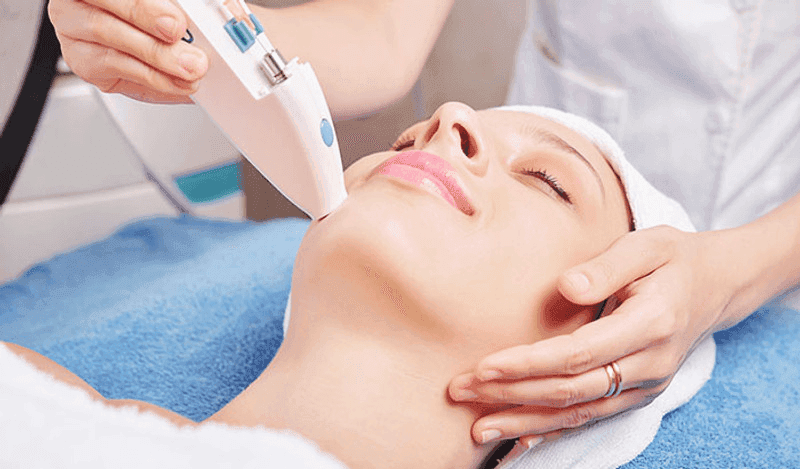
Most protocols follow similar patterns. Start with structural support, then layer regenerative treatments.
Fillers typically go first when significant volume loss needs correction. Wait two to four weeks. Then introduce PDRN to enhance tissue quality and support longevity of filler results. This sequence makes sense anatomically because you’re building structure before optimizing the tissue environment.
Some practitioners reverse this order, especially when skin quality takes priority over volume. PDRN first, allowing four to six weeks for initial collagen response. Fillers second, placed into improved tissue with better vascularity and healthier extracellular matrix.
Neither approach is universally “correct.” Patient goals, existing tissue quality, and anatomical considerations guide the decision.
Technical Considerations for Safe Injection
Anatomy knowledge becomes absolutely critical when combining treatments. Blood supply patterns, tissue planes, and lymphatic drainage all factor into injection strategy.
Depth matters enormously. Hyaluronic acid fillers typically go into specific tissue planes (subcutaneous, supraperiosteal, or precisely within dermal layers depending on product and indication). PDRN usually targets upper to mid-dermis for facial rejuvenation, though some protocols use deeper injection for specific applications.
Avoid injecting PDRN directly into areas with recent filler placement. Even weeks later, practitioners should map previous filler locations carefully. Injection technique shifts slightly when working near filled areas because tissue resistance changes and anatomical landmarks become less reliable.
Aspiration technique and slow injection speed reduce complication risk across all combination protocols. Sounds basic, but rushing these fundamentals causes most preventable problems.
Managing Patient Expectations
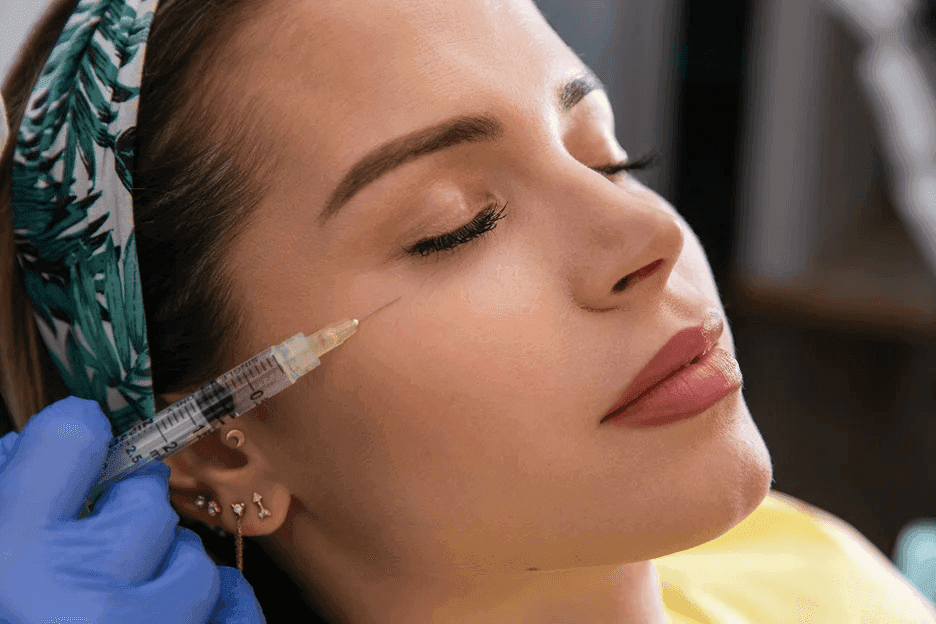
Combination treatments produce different timelines than single modality approaches. Clients need this explained clearly upfront.
Filler results appear immediately (accounting for swelling). PDRN effects emerge gradually over six to twelve weeks as collagen remodeling progresses. Some patients struggle with this gap, especially if they’re accustomed to instant gratification from aesthetic treatments.
Document everything. Photograph from consistent angles with standardized lighting. Review images with patients at follow-up appointments so they can actually see progressive improvements that might feel subtle day-to-day.
Side effects from PDRN (mild swelling, occasional bruising, temporary firmness at injection sites) can concern patients who recently had fillers. They might worry the filler is causing problems when actually the PDRN inflammatory response is completely normal. Clear communication prevents unnecessary anxiety and emergency calls.
Contraindications and Risk Factors
Certain situations call for avoiding combination treatments entirely. Active infection anywhere in the treatment zone obviously contrasts any injectable. History of keloid formation or hypertrophic scarring increases risk with biostimulators generally.
Autoimmune conditions require careful consideration. PDRN stimulates immune system activity as part of its mechanism. Patients with lupus, rheumatoid arthritis, or other autoimmune disorders might experience flares or unexpected inflammatory responses.
Allergy history matters too. While PDRN itself rarely triggers allergic reactions, patients with multiple filler sensitivities probably aren’t ideal candidates for aggressive combination protocols.
Pregnancy and breastfeeding remain absolute contraindications for most aesthetic injectables, including PDRN and fillers. Just wait until after this period completes.
Multimodal Treatment Protocols
Some clinics layer even more modalities beyond just PDRN and fillers. Recent literature on multimodal treatment combinations demonstrates that carefully sequenced protocols can safely incorporate multiple treatment types when providers maintain proper spacing and technique.
Typical multimodal protocols might include:
- Neurotoxin for dynamic lines
- Structural fillers for volume restoration
- PDRN for tissue quality and regeneration
- Energy-based devices (RF microneedling, lasers) for additional collagen stimulation
Each modality gets scheduled with appropriate intervals. Neurotoxin usually comes first, then fillers after two weeks, PDRN after another two to four weeks, and energy devices last (often six to eight weeks after filler placement).
This extended timeline frustrates some patients who want everything done quickly. But compressed timelines significantly increase complication rates and compromise results. Worth the wait.
Combining with Energy-Based Devices
Energy treatments (radiofrequency microneedling, fractional lasers, ultrasound devices) add another layer of complexity to combination protocols. Safety data on mixing these with injectables continues developing. For specific guidance on microneedling combinations, read our detailed guide on PDRN and microneedling results.
A four-year safety review examined outcomes when combining cosmetic injectables with radiofrequency microneedling. Results showed generally favorable safety profiles with proper timing between procedures.
Most conservative protocols wait at least four weeks after filler placement before introducing energy-based treatments. Heat can potentially affect filler properties or migration patterns if applied too soon. PDRN typically gets scheduled after energy treatments rather than before, since the healing response from energy devices can enhance PDRN uptake and effectiveness.
Some providers reverse this and use PDRN before energy treatments, theorizing that improved tissue quality makes skin more resilient during energy-based procedures. Clinical outcomes seem acceptable with either approach as long as adequate spacing occurs.
Special Anatomical Zones
Certain facial areas demand extra caution when combining treatments. Tear troughs, temples, and perioral regions all have challenging anatomy that makes combination protocols riskier. For treatments beyond the face, explore our guide on PDRN for hand rejuvenation.
Tear trough area has thin skin, minimal subcutaneous fat, and complex vascular anatomy. Combining PDRN with tear trough filler requires conservative volumes and meticulous placement technique. Many experienced injectors avoid this combination entirely, preferring to treat tear troughs with filler alone and reserve PDRN for other facial zones.
Temples present different challenges. The superficial temporal artery courses through this region. Both filler and PDRN injections carry vascular occlusion risk here. When combining treatments in temple area, providers should use cannulas rather than needles when possible and maintain extremely slow injection speed with constant aspiration.
Perioral region (lips and surrounding tissue) tolerates combination treatments reasonably well, though swelling tends to be more pronounced. Patients need warned that lips might look quite swollen for several days after PDRN injection, especially if they recently had lip filler. This typically resolves without intervention.
Documentation and Follow-Up Protocols
Proper documentation protects both provider and patient when combining treatments. Record exact products used, specific volumes, injection depths, and anatomical zones treated. Note any immediate reactions or concerns.
Follow-up scheduling becomes more structured with combination protocols. Typical timeline includes:
- Two-week check after initial filler placement
- Four-week evaluation before proceeding with PDRN
- Two-week follow-up after PDRN injection
- Three-month assessment of combined results
Some patients need additional PDRN sessions (protocols often involve three to four treatments spaced monthly). Subsequent PDRN injections typically proceed more smoothly than the first since providers have established patient response patterns.
Photographic documentation at each visit allows objective assessment of progressive improvements. Side-by-side comparisons often reveal subtle changes in skin texture and quality that patients might not notice subjectively.
Cost and Value Considerations
Combination treatments obviously cost more than single modality approaches. Patients need realistic understanding of investment required and timeline for results.
Transparency about pricing helps. Break down costs per treatment type rather than bundling everything into opaque package pricing. This allows patients to make informed decisions about which components they want to pursue and in what sequence.
Some patients choose to split combination protocols over several months for budgetary reasons. This actually works fine clinically since proper spacing improves safety anyway. Treating PDRN and fillers six months apart is perfectly acceptable if that fits the patient’s financial situation better.
Value proposition improves when combination treatments deliver superior outcomes to single approaches. Before-and-after documentation helps demonstrate this value clearly. Many patients become enthusiastic advocates once they experience the synergistic benefits of properly combined treatments.
Future Directions
Research on combination aesthetic protocols keeps expanding. Newer biostimulators enter the market regularly, each with slightly different properties and potential interactions with established treatments like hyaluronic acid fillers. Understanding the global regulatory status of PDRN helps practitioners navigate this evolving landscape.
PDRN formulations themselves continue evolving. Some newer products combine PDRN with hyaluronic acid in single formulations, attempting to deliver both immediate hydration and long-term regenerative benefits. Early results look promising, though long-term data remains limited. Learn more about delivery challenges in our article on PDRN absorption and topical bioavailability.
Personalized treatment protocols based on individual patient genetics and tissue characteristics might become more common. Some clinics already perform skin biopsies or blood tests to assess collagen production capacity before planning complex combination protocols. PDRN shows particular promise for treating sun damage and photoaging as well as addressing hyperpigmentation.
Regulatory oversight will likely increase as combination treatments become more popular. Professional organizations should develop clearer guidelines and standardized protocols to help providers navigate these increasingly complex treatment plans safely. For practitioners seeking formal education, explore PDRN training courses and certification programs.
Putting It All Together
Combining PDRN with dermal fillers makes clinical sense when done thoughtfully. The treatments address different aspects of facial aging through complementary mechanisms. But safety requires proper training, conservative approaches, and patience with timing. For a broader clinical perspective, read our practitioner’s overview of PDRN in aesthetic medicine.
Providers new to combination protocols should start conservatively. Master each treatment type individually before attempting to combine them. Seek mentorship from experienced injectors who regularly perform these combinations successfully. Consider how PDRN can also address specific concerns like skin dullness and brightening.
Patients benefit most when providers prioritize safety over speed. Rushing combination treatments to accommodate patient schedules or maximize revenue rarely ends well. Take the time needed, space treatments appropriately, and document everything carefully.
The field keeps advancing. What seems like cutting-edge combination protocol today might become standard practice tomorrow. Staying current with literature and continuing education helps providers offer the best outcomes while maintaining safety as the top priority.