

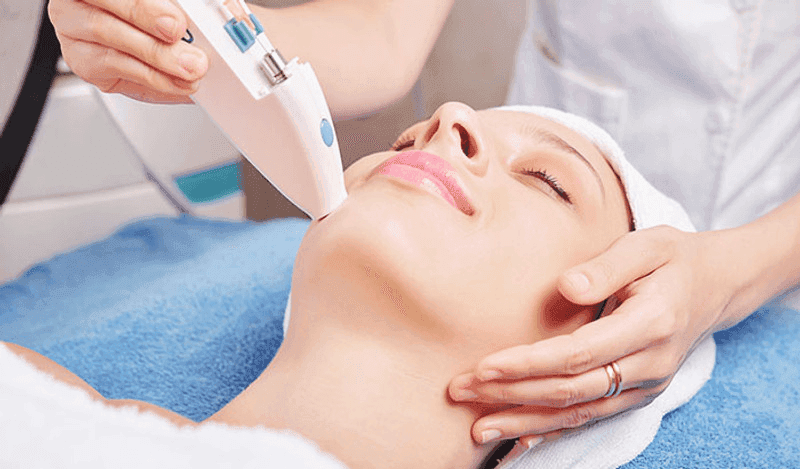
Polydeoxyribonucleotide treatments are growing fast in aesthetic medicine. Search interest has jumped worldwide since 2020. Clinics across South Korea, Europe, and North America now offer these treatments. But most patients don’t really understand what they’re getting.
PDRN stands for polydeoxyribonucleotide. It’s a compound extracted from salmon or trout DNA. Sounds weird, right? The biological similarity between fish and human DNA makes this work. These molecules trigger specific healing responses in human skin cells. Not through genetic modification or DNA transfer. Through receptor activation.
The science gets interesting when you look at how cells respond. PDRN binds to adenosine A2A receptors on cell surfaces. This triggers a cascade of repair mechanisms. Collagen production increases. Blood vessel formation improves. Inflammation gets regulated. Results show up gradually over weeks, not days.
The Science Behind PDRN Extraction and Structure
PDRN comes from fish sperm cells. Specifically, salmon or trout. The extraction process breaks down DNA into smaller fragments. These fragments range from 50 to 1,500 base pairs in length. Size matters because smaller fragments penetrate tissue better.
The manufacturing process involves several purification steps. Companies remove proteins, lipids, and other cellular components. What remains is pure polydeoxyribonucleotide chains. These chains maintain a specific structure that human cells recognize. Recent research on extraction methods shows advances in purification techniques that improve stability and bioavailability.
Why salmon? Fish DNA shares structural similarities with human DNA. Both use the same four nucleotide bases. The sequences differ, obviously. But the basic molecular structure is compatible with human cellular machinery. This compatibility allows fish-derived PDRN to interact with human cell receptors without triggering rejection responses.
The molecular weight of PDRN preparations typically falls between 50 and 1,500 kilodaltons. Lower molecular weight products penetrate deeper into dermis. Higher molecular weight versions stay closer to the surface. Practitioners choose different formulations based on treatment goals.
How PDRN Actually Works in Your Skin
The mechanism starts with adenosine receptors. Human skin cells have four types: A1, A2A, A2B, and A3. PDRN specifically activates A2A receptors. This selectivity matters because different receptors trigger different responses.
When PDRN binds to A2A receptors, several things happen:
- Fibroblasts increase collagen and elastin production
- Endothelial cells form new blood vessels (angiogenesis)
- Inflammatory cytokines get downregulated
- Growth factors like VEGF increase in local tissue
- Cell migration to wound sites improves
Think of A2A receptor activation as flipping a switch. The switch tells cells to enter repair mode. But this isn’t a one-time signal. PDRN persists in tissue for days after injection. This creates sustained receptor activation.
The anti-inflammatory effect deserves attention. Chronic low-level inflammation damages skin over time. It breaks down collagen. It impairs barrier function. Clinical studies on PDRN’s mechanism demonstrate significant reduction in inflammatory markers after treatment.
Blood vessel formation contributes to the healing response. More blood vessels mean better nutrient delivery. Better waste removal too. This improved circulation supports tissue regeneration. Patients often notice improved skin tone and texture as vessel density increases.
PDRN Treatment Forms and Delivery Methods
PDRN comes in several forms. Injectable solutions remain most common in clinical settings. These contain PDRN suspended in saline or similar carriers. Concentrations typically range from 5.625 mg/mL to 20 mg/mL. Higher concentrations don’t necessarily mean better results.
Injection techniques vary by treatment goal. Practitioners use:
- Multiple small injections (mesotherapy technique) for widespread rejuvenation
- Deeper bolus injections for scar treatment or specific lesions
- Linear threading for under-eye hollows or fine lines
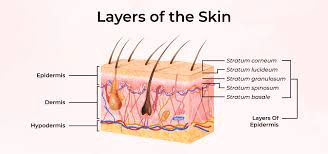
Topical products have entered the market recently. Creams and serums containing PDRN promise similar benefits without needles. The challenge? Skin penetration. The molecular size of PDRN makes passing through the stratum corneum difficult. Some formulations use penetration enhancers. Others combine PDRN with microneedling for improved delivery. Maximizing topical PDRN absorption requires specific application strategies.
Microneedling combined with topical PDRN shows promise. The micro-channels created by needles provide pathways for PDRN entry. Application immediately after needling improves absorption significantly. Some practitioners prefer this to injection for patients nervous about needles.
Freeze-dried (lyophilized) PDRN requires reconstitution before use. Practitioners mix the powder with sterile water or saline. This form offers longer shelf stability. Once reconstituted, solutions should be used within hours.
Expected Results and Treatment Timeline
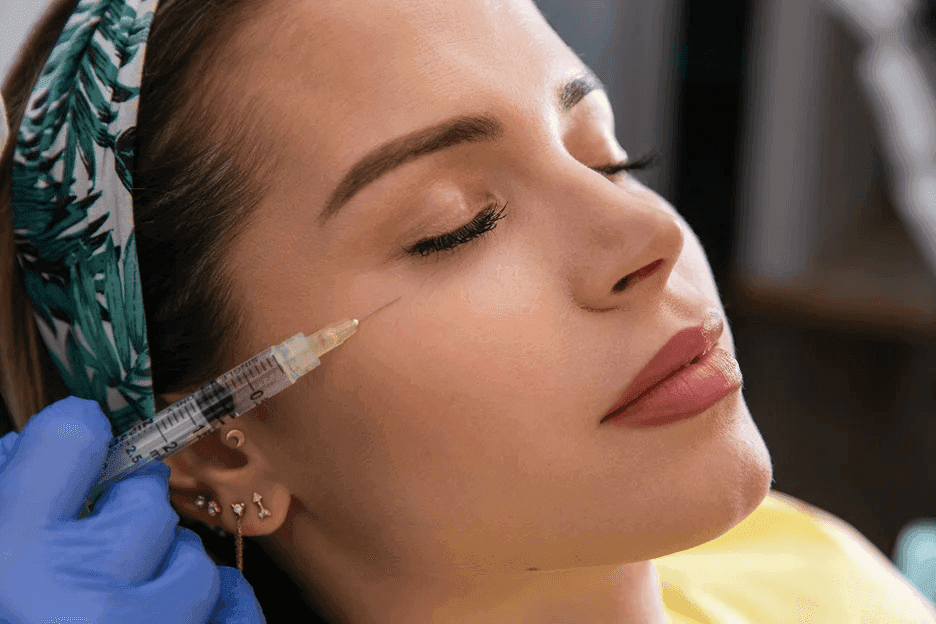
PDRN doesn’t work overnight. The mechanism involves biological processes that take time. Most patients notice initial changes around week three or four. Full results typically appear at three months.
What improvements do people actually see? Texture changes come first. Skin feels smoother. Fine lines soften. These changes result from increased hydration and collagen production. Deeper wrinkles show less dramatic improvement because they involve more extensive structural damage.
Pigmentation changes happen more slowly. PDRN doesn’t directly bleach skin. Instead, it improves cell turnover and reduces inflammation that contributes to hyperpigmentation. Treatment protocols for hyperpigmentation combine PDRN with other approaches for better outcomes.
Scar improvement varies by scar type. Atrophic acne scars respond better than hypertrophic scars. The collagen remodeling triggered by PDRN helps fill depressed areas gradually. Multiple treatment sessions produce better results than single treatments.
Treatment frequency matters. Most protocols recommend:
- Initial phase: 3-4 treatments spaced 2-3 weeks apart
- Maintenance phase: 1 treatment every 2-3 months
- Duration of effects: Results persist for 6-12 months after completing initial series
Some patients respond better than others. Age plays a role. Younger skin with better baseline collagen production typically shows more dramatic improvement. Older skin still benefits but may require more treatments.
Safety Profile and Side Effects
PDRN has a favorable safety record. Most adverse events are mild and temporary. The fish origin raises allergy concerns, but true allergic reactions are rare. The purification process removes most allergenic proteins.
Common side effects after injection include:
- Redness at injection sites (resolves within hours)
- Mild swelling (typically gone within 24-48 hours)
- Small bruises if capillaries are hit during injection
- Temporary tenderness when touching treated areas
Serious complications are uncommon. Infection can occur with any injection but proper sterile technique minimizes this risk. Nodule formation occasionally happens if product is injected too superficially or in excessive amounts.
Contraindications exist. Patients with active skin infections shouldn’t receive treatment. Pregnancy and breastfeeding represent relative contraindications due to lack of safety data in these populations. Autoimmune conditions require careful evaluation.
The DNA source concerns some patients. Will salmon DNA alter their genetics? No. PDRN fragments are too small to integrate into human chromosomes. They don’t enter cell nuclei. They work entirely through surface receptor activation. Genetic modification is not possible with this mechanism.
PDRN Compared to Other Regenerative Treatments
How does PDRN stack up against alternatives? Platelet-rich plasma (PRP) is the most common comparison. Both promote tissue regeneration. Both involve injections. But the mechanisms differ substantially.
PRP uses growth factors from the patient’s own blood. PDRN uses nucleotides from fish DNA. PRP results depend on the patient’s blood quality and the preparation method used. PDRN provides more consistent dosing because it’s a standardized pharmaceutical product.
Cost varies by region and provider. PDRN treatments typically cost less than PRP in markets where both are available. Treatment frequency is similar for both.
Skin boosters like hyaluronic acid provide hydration but don’t trigger the same repair mechanisms. They plump skin through water retention. PDRN stimulates actual tissue remodeling. Some practitioners combine both approaches. The hyaluronic acid provides immediate hydration while PDRN works on longer-term structural improvement.
Retinoids increase cell turnover and collagen production through different pathways. They work topically (when absorption permits) or systemically. The mechanisms complement rather than duplicate PDRN effects. Using both isn’t redundant.
Laser treatments create controlled injury to trigger healing responses. PDRN can enhance recovery after ablative or fractional laser procedures. Combining PDRN with energy-based devices has gained popularity in aesthetic medicine.
Clinical Evidence and Research Support
The evidence base for PDRN has grown substantially. Early research focused on wound healing in medical contexts. Burns, ulcers, and surgical wounds showed improved healing with PDRN treatment. This established the basic mechanism before aesthetic applications emerged.
Studies on photoaging show measurable improvements. Researchers document increases in dermal thickness, collagen density, and elastin fiber organization. Data on PDRN efficacy demonstrates these structural changes correlate with clinical improvement in appearance.
One limitation: many studies come from South Korea where PDRN use is most established. Western research institutions have been slower to investigate. This geographic concentration of research doesn’t invalidate findings but does mean replication in diverse populations is still ongoing.
Sample sizes in aesthetic studies tend to be small. Many involve 20-50 participants. Larger randomized controlled trials would strengthen the evidence base. The studies that exist generally show positive results, but more robust research would help.
Histological analysis provides objective data. Skin biopsies before and after PDRN treatment show measurable increases in collagen fiber density. Electron microscopy reveals improved organization of extracellular matrix components. These structural changes explain the clinical improvements patients observe.
Regulatory Status Across Different Markets
PDRN’s legal status varies globally. South Korea approved PDRN products decades ago. The country has the most extensive clinical experience and the largest market. Multiple manufacturers produce PDRN formulations there.
European Union classification is complex. PDRN products may be regulated as medical devices or pharmaceuticals depending on claims and composition. CE marking is required. Global regulatory compliance varies significantly by country and affects product availability.
The United States presents challenges. FDA hasn’t approved PDRN specifically for aesthetic use. Some practitioners use it off-label. Others import products for personal use under specific circumstances. The regulatory pathway remains unclear.
Canada, Australia, and Japan each have different approval processes. Availability in these markets is limited compared to South Korea and parts of Europe. This affects both product access and practitioner experience with the treatment.
Manufacturing standards matter. Reputable producers follow GMP (Good Manufacturing Practice) guidelines. They test for contaminants, verify PDRN concentration, and ensure sterility. Products from questionable sources may lack these quality controls.
Treatment Combinations That Enhance Results
PDRN works well with other aesthetic treatments. Strategic combinations can produce better outcomes than either treatment alone. But timing and technique matter.
Microneedling plus PDRN makes sense mechanically. The needle channels enhance PDRN penetration. Application immediately after needling maximizes absorption. Managing expectations with this combination helps patients understand realistic timelines.
Fillers address volume loss. PDRN improves skin quality. Combining both treats different aspects of aging. Safe protocols for combining PDRN with fillers require proper spacing between treatments to avoid complications.
Chemical peels create controlled exfoliation. Following with PDRN treatment may enhance healing and improve final results. The increased cell turnover from peels combined with PDRN’s regenerative effects can produce more dramatic improvements. Wait at least one week between peels and PDRN injection.
Laser resurfacing and PDRN combinations show promise. Applying PDRN after fractional laser treatment may reduce downtime and improve healing. Some practitioners inject PDRN immediately after laser. Others wait 24-48 hours.
Retinoid use doesn’t contraindicate PDRN treatment. Patients can continue topical retinoids before and after PDRN injections. The mechanisms complement each other.
Specific Skin Concerns PDRN Addresses
Photoaging represents a primary indication. Sun damage causes collagen breakdown, elastosis, and pigmentary changes. PDRN’s effects on sun damage include improved collagen production and reduced inflammation. These mechanisms help reverse some photoaging signs.
Under-eye concerns respond variably. Dark circles from vascular issues may improve as circulation increases. Hollowing from volume loss shows less improvement because PDRN doesn’t add volume directly. Fine lines and crepey texture typically soften.
Acne scarring improvement depends on scar type. Rolling scars and boxcar scars may soften as new collagen fills depressed areas. Ice pick scars respond less well because they’re too narrow and deep for PDRN to effectively reach. Multiple treatments produce better results than single sessions.
Skin dullness and uneven texture improve consistently. Increased cell turnover and better hydration create a brighter, smoother appearance. Targeting dullness with PDRN works through multiple mechanisms.
Hand rejuvenation has gained attention recently. Hands show age through thinning skin, prominent veins, and pigmentation. Anti-aging protocols for hands use PDRN to thicken skin and improve texture. Results are subtle but meaningful for patients bothered by aged-looking hands.
Neck and décolletage treatments follow similar principles to face treatments. These areas often show significant sun damage and thin skin. PDRN can improve texture and reduce fine lines. The thin skin in these areas requires careful injection technique.
Practitioner Training and Treatment Technique
Proper technique matters significantly for results and safety. PDRN injection isn’t identical to other injectables. The product characteristics and treatment goals require specific skills.
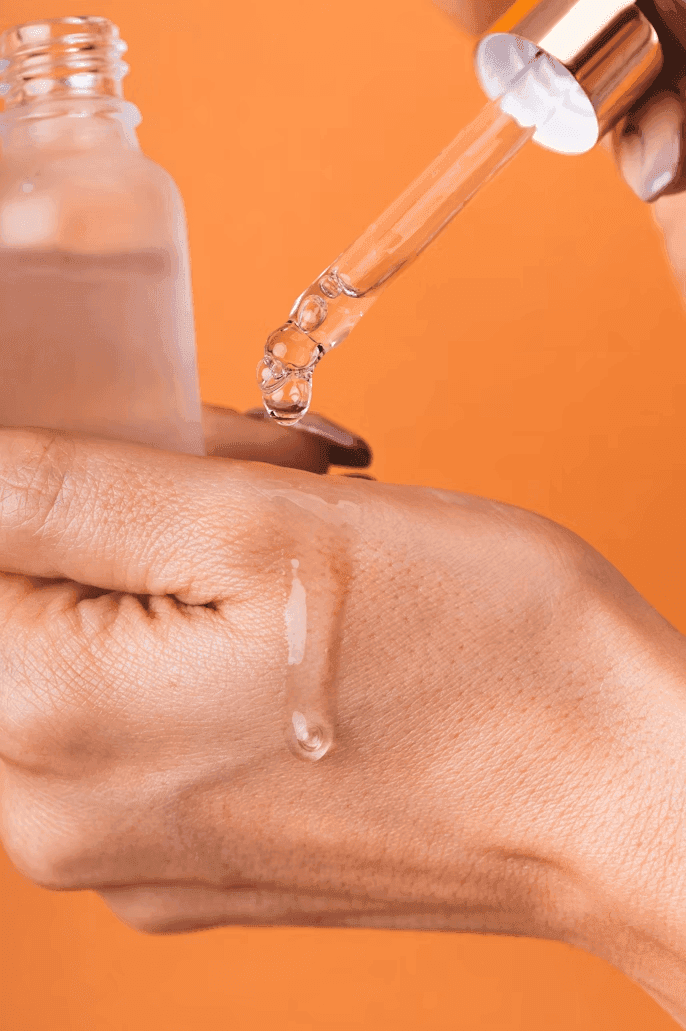
Injection depth varies by indication. Superficial intradermal injections (papules technique) work for overall skin quality improvement. Deeper dermal injections target scars or specific structural concerns. Going too deep (into subcutaneous fat) wastes product because receptors are primarily in dermis.
Injection volume per site affects outcomes. Small volumes (0.05-0.1 mL) distributed across many points generally work better than larger volumes at fewer sites. This distribution pattern increases the treatment area covered and provides more uniform stimulation.
Needle size matters. 30-32 gauge needles are common. Smaller gauges (higher numbers) cause less trauma but may clog with some PDRN formulations. Some practitioners prefer cannulas for certain treatment areas to reduce bruising risk.
Professional training programs teach injection patterns, appropriate depths, and complication management. Hands-on training with experienced instructors helps practitioners develop proper technique. Online courses provide theoretical knowledge but can’t fully replace practical training.
Patient assessment before treatment identifies contraindications and sets realistic expectations. Skin analysis helps determine if PDRN is appropriate or if other treatments would work better. Photography documents baseline condition for comparing results.
Cost Considerations and Treatment Value
PDRN treatment costs vary widely by location and provider. Per-session prices typically range from $200 to $600 in most markets. Higher prices don’t always indicate better quality. Clinic location, practitioner experience, and product brand all influence pricing.
Full treatment series cost more than single sessions. Initial protocols usually involve 3-4 treatments. Total cost for initial series might be $800 to $2000. Maintenance treatments add ongoing costs. Compare this to alternatives when evaluating value.
Insurance doesn’t cover aesthetic PDRN treatments. Medical applications (wound healing, certain medical conditions) might be covered in some jurisdictions. Most patients pay out of pocket.
Product quality affects both cost and results. Pharmaceutical-grade PDRN from reputable manufacturers costs more than lower-quality alternatives. The purification process and quality control testing add to production costs. Cheap products may be diluted, contaminated, or improperly stored.
Longevity of results influences cost-effectiveness. If results last 9-12 months with maintenance, annual cost might be $600-1200. Compare this to other treatments requiring more frequent sessions. Cost per year of maintained improvement provides better comparison than per-session cost.
What Patients Should Ask Before Treatment
Informed consent requires understanding what you’re getting. Questions to ask practitioners include:
- What PDRN product brand will be used?
- What is the concentration and source of PDRN?
- How many injection sites will be treated?
- What depth will injections be placed?
- How many treatments are recommended for my concern?
- What results should I realistically expect?
- What is your experience with PDRN treatments?
Product transparency matters. Reputable practitioners disclose the specific PDRN product they use. They can show you the vial and explain its origin and concentration. Refusing to disclose product information is a red flag.
Before and after photos help set expectations. Look for photos of patients with similar concerns and skin types. Professional photography under consistent lighting provides the most useful comparison. Be skeptical of dramatic transformations that seem too good to be true.
Qualifications and experience influence outcomes. Board certification in dermatology or plastic surgery provides baseline assurance of training. But PDRN-specific experience matters too. Ask how long the practitioner has been performing these treatments and how many they’ve done.
Alternative treatment options should be discussed. Ethical practitioners explain when other treatments might work better for your specific concerns. PDRN isn’t the best solution for every skin issue.
Future Directions and Emerging Research
PDRN research continues to expand. New applications are being investigated beyond aesthetic medicine. Orthopedic applications for tendon and ligament healing show promise. Ophthalmology research explores PDRN for certain eye conditions.
Combination products are in development. Some manufacturers are creating formulations that combine PDRN with hyaluronic acid or amino acids. The goal is providing multiple benefits in a single treatment. Clinical data on these combinations is still limited.
Delivery method innovations aim to improve results. Research into nanoparticle carriers might enhance skin penetration for topical products. Sustained-release formulations could extend the duration of effects after injection.
Synthetic PDRN alternatives are being developed. These would eliminate fish-derived material and potentially reduce manufacturing costs. The challenge is creating synthetic nucleotides that trigger the same biological responses as natural PDRN.
Head-to-head comparison studies with established treatments would strengthen the evidence base. Direct comparisons between PDRN, PRP, and other regenerative treatments help practitioners make evidence-based recommendations. Most current research examines PDRN in isolation.
Longer follow-up periods in studies would clarify duration of effects. Many published studies track patients for 3-6 months. Year-long studies would better establish maintenance requirements and long-term outcomes.
Final Thoughts on PDRN Treatment
PDRN represents a legitimate biological approach to skin improvement. The mechanism is well-understood and supported by research. Results are gradual but meaningful for appropriate candidates.
Realistic expectations are essential. PDRN won’t eliminate deep wrinkles or replace lost volume. It won’t work as quickly as some marketing suggests. But for improving skin texture, reducing fine lines, and supporting tissue regeneration, evidence supports its use.
Patient selection matters significantly. People with realistic expectations, willingness to complete treatment series, and appropriate skin concerns tend to be most satisfied. Those seeking dramatic overnight changes will be disappointed.
The treatment fits into a comprehensive skin health approach. Combined with sun protection, good skincare, and healthy lifestyle factors, PDRN can be part of maintaining skin quality over time. It’s not a standalone solution but one tool among many.
Regulatory status and product quality remain important considerations. Treatment availability varies by location. Working with qualified practitioners who use reputable products minimizes risks and optimizes results.