
Whether Rejuran is worth it depends on a fact almost no clinic page mentions: both flagship trials testing Rejuran for crow’s feet have been retracted from the scientific record — one in 2016, one in March 2026. The first reported a null primary endpoint before it was withdrawn. Rejuran is a medical device in Korea, not an approved drug, and no polynucleotide product appears on FDA’s approved filler list. You are buying a plausible mechanism, not a proven cosmetic outcome.
That is not the same as saying it does nothing. It is saying the specific evidence you are being sold does not exist in the form you are being told it exists. For a treatment typically bought as a multi-session course running into four figures, that distinction is the whole decision.
This page is about the money question specifically. Our full Rejuran review covers the treatment itself in more depth.
What are you actually buying?
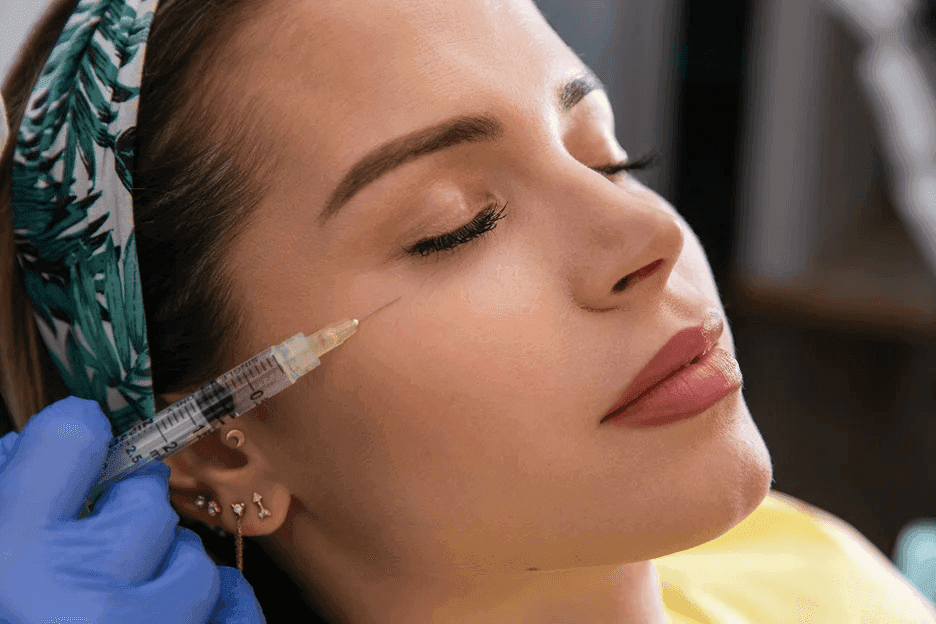
Rejuran is a polynucleotide (PN) injectable derived from salmon DNA, delivered into the dermis across a course of sessions. It is not a volumising filler and is not marketed as one. The claim is skin quality: texture, elasticity, fine lines, hydration.
Two regulatory facts should frame every price you are quoted.
In South Korea, Rejuran is a medical device — not a drug. Kim’s 2025 review in Pharmaceutics states plainly that “In South Korea, PN-based injectable products are regulated as medical devices.” Korea does approve PDRN as a pharmaceutical — but Kim specifies the indication: “for use as pharmaceutical agents for tissue regeneration and wound healing, particularly for skin graft-associated injuries.” Not wrinkles. So “it’s approved in Korea” is doing far less work in a consultation than it sounds like.
In the US, no polynucleotide product is an approved dermal filler. FDA’s list of approved dermal filler materials names hyaluronic acid, calcium hydroxylapatite, poly-L-lactic acid, and PMMA microspheres. Polynucleotide, PDRN and salmon DNA appear nowhere on it. Our global PDRN regulatory overview maps this jurisdiction by jurisdiction.
One naming caveat, because it changes which evidence even applies to you: Kim distinguishes PN, “composed of longer DNA fragments,” from PDRN, “composed of relatively shorter oligonucleotide sequences” and “more consistently characterized as a pharmacologically active molecule.” Rejuran is a PN product. Much of the evidence clinics cite for it is PDRN research. The literature separates these. Marketing does not.
What does the evidence actually support?
This is where the case for spending gets thin, and it is worth being precise rather than dismissive.
The 2014 trial was retracted — and was null anyway
Pak and colleagues’ phase III trial of Rejuran versus hyaluronic acid filler for crow’s feet, published in the Journal of Korean Medical Science in 2014, is the study underneath most Rejuran marketing. Two things are true about it.
It was retracted in 2016. The notice sits in the same journal at 31(2):330, and PubMed’s record for the original carries the banner: “This article has been retracted.”
And before that, on its own numbers, it failed. The paper’s own results state: “the primary and secondary objective efficacy outcome measure showed no statistical significance between the two groups.” The headline trial for the best-known PN product did not beat its comparator on any objective endpoint it set out to measure — then left the record entirely.
There is a specific trap here. Search for this study and you will find the elasticity and collagen findings quoted confidently as human results. They are not. In the paper, “Group 3 showed the greatest elasticity and collagen composition” belongs to the preclinical animal study, not the 72-patient human trial. The human arm is the null one. That conflation is repeated across clinic pages and, increasingly, by AI summaries.
The 2025 trial was retracted in March 2026
The more recent active-controlled trial — Choi and colleagues, 218 participants, split-face, comparing a polycaprolactone filler against Rejuran for crow’s feet in the Journal of Cosmetic Dermatology — was retracted in March 2026.
Fairness matters here: the retraction was not about Rejuran. The notice states the sponsor’s own product “was misidentified as containing pegylated polycaprolactone (PCL), whereas it is composed solely of pure PCL filler,” which “undermines the reliability of the study’s findings.” The trial was funded by the maker of the comparator product.
But the practical effect for you is identical. The two largest randomised trials putting Rejuran up against an active comparator for the indication it is most sold for are both off the record.
What is left
Not nothing — but nothing that justifies certainty.
Lampridou and colleagues’ 2024 systematic review in Journal of Cosmetic Dermatology is the fairest summary available. Nine studies. 219 patients total. The authors report PN injections “have shown promising outcomes in reducing wrinkles, improving skin texture, and enhancing elasticity,” with side effects “generally mild and transient” and no severe adverse events. They also report that “none of the included studies achieved full scores in the quality appraisal,” and conclude that “rigorous, high-quality studies are essential to validate the effectiveness and safety of PN.”
The 2026 real-world Lanza dataset is typical of what gets marketed as proof: 66 patients, 97% satisfaction, excellent-looking numbers — and, in the authors’ own words, “lack of control group,” a 3-month follow-up, and a small sample. Skin assessed 12 weeks after any procedure, by someone who paid for it and has been diligently avoiding sun, improves for reasons unrelated to the vial.
PDRN’s genuinely strong human trial is Squadrito’s 215-patient randomised, double-blind, placebo-controlled study — complete healing in 37.3% versus 18.9% on placebo (P = .0027). That is real. It is also diabetic foot ulcers, not faces. Our complete review of the PDRN trial base and our look at the data behind the efficacy claims work through the rest.
What does Rejuran cost?
We are not going to give you an average price, because no authoritative source publishes one.
That is the honest answer, and the reason matters. Bodies like the American Society of Plastic Surgeons publish national averages for established procedures — $715 for hyaluronic acid fillers. No equivalent statistic exists for Rejuran or polynucleotide boosters. No indication is reimbursed, so there is no insurance schedule and no negotiated rate. Every figure on a clinic page or roundup is that clinic’s marketing, or someone aggregating clinic marketing, circulating as though it were data.
What we can tell you is structural, and it is what actually determines your bill:
- It is sold as a course, not a session. Published protocols run three to four sessions at two-to-four-week intervals — Lampridou’s review found “most protocols involved 3–4 treatment sessions at 2–4 week intervals”; the Lanza data used three; the Jeon split-face study used four at two-week intervals. The per-session price you are quoted is roughly a third to a quarter of your real cost.
- Maintenance is assumed, not optional. The course is a starting point, not a finish line.
- Ask for the full course price in writing, and ask what happens if you stop after session one.
Our PDRN treatment cost breakdown covers reported ranges — with the same caveat: those are clinic-reported figures, not verified data.
What would you spend the money on instead?
This is the question that actually answers “is Rejuran worth it,” because nothing is worth it in isolation — only against the next best use of the same money. Work up from the bottom, not down from the quote.
Spending nothing: daily sunscreen has better evidence for skin quality over a decade than anything else discussed on this page. If it isn’t already a habit, a Rejuran course is a strange place to start spending.
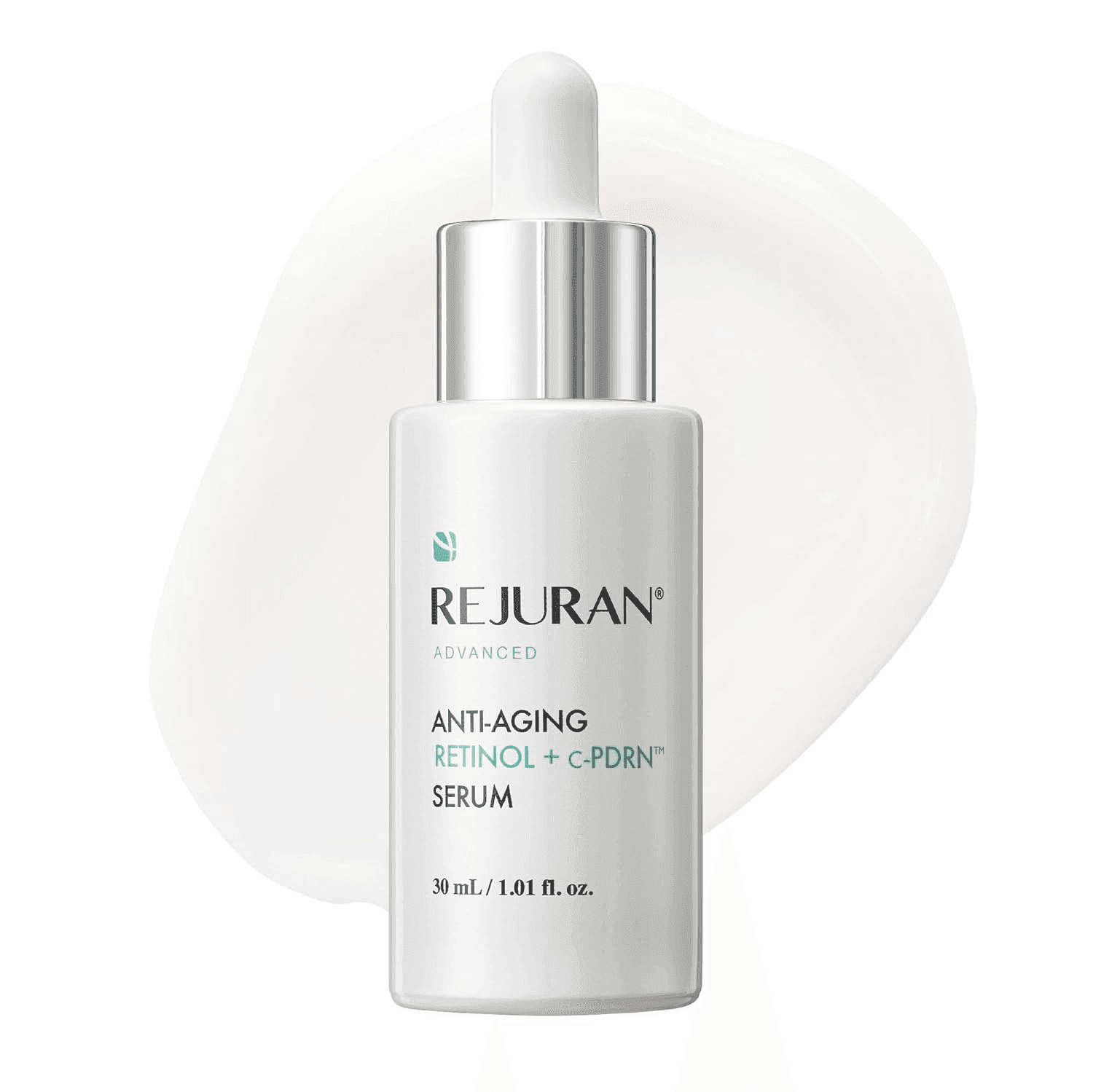
Spending two figures instead of four: the Rejuran brand sells topical ampoules, and they are not a diluted Rejuran course. The entire point of injecting is bypassing a barrier built to keep large molecules out — our topical-versus-injection comparison explains why that delivery gap is not a detail. A PDRN topical can be a decent repair serum. It is not a cheaper route to the same result, and buying one expecting that is how people end up disappointed in both.
Spending four figures on proven line correction: hyaluronic acid filler is FDA-approved for exactly that, with a published average cost, effects FDA states last “approximately 6 – 12 months,” and a review pathway behind it. It does a different job — but if your goal is a specific line, the approved product has evidence Rejuran’s doesn’t. See PDRN versus hyaluronic acid.
Spending it on regeneration with a settled evidence base: PDRN versus PRP is the more evidentially grounded comparison, and PRP uses your own blood.
How long do results last, and when would you see them?
Honestly: we could not verify any evidence supporting durability beyond about six months, and most of it stops well before that.
Lampridou’s review reports follow-up “ranging from 12 weeks to 6 months” across all nine studies. Lanza’s real-world data assessed at 3 months, with authors noting “prior studies document sustained improvements up to 6 months post-injection” and acknowledging their own limited follow-up. There is no long-term durability trial for Rejuran that we could locate.
So any clinic claiming results lasting a year or more is extrapolating past the evidence — in a treatment where the two trials designed to measure durability against a comparator have both been retracted.
On timeline, the protocols themselves tell you the shape: three to four sessions across roughly two to three months, with assessment typically at 12 weeks after the last one. This is not a treatment with a before-and-after moment. If you are shown dramatic immediate photographs, you are being shown swelling.
| Rejuran (PN) | HA filler | PDRN for wound healing | |
|---|---|---|---|
| US regulatory status | Not an approved filler material | FDA-approved | Not approved for aesthetics |
| Korean status | Medical device | Device | Drug — for grafts/wounds, not wrinkles |
| Best aesthetic RCT | Both flagship trials retracted | Approval-grade trials | N/A |
| Total patients, best review | 219, low/moderate quality | Large approval datasets | 215 in one RCT |
| Placebo-controlled aesthetic data | None we could verify | N/A (device pathway) | N/A |
| Verified durability | Not beyond ~6 months | ~6–12 months (FDA) | N/A |
| Authoritative price | None published | $715 average (ASPS) | N/A |
So who is Rejuran actually worth it for?
It may be worth it if you want overall skin quality rather than a corrected line, you have money you are comfortable spending on a plausible-but-unproven intervention, you understand you are buying a course and not a session, and you would not feel cheated if the result were subtle. The safety record across the literature is genuinely reassuring — mild, transient effects, no severe adverse events reported in Lampridou’s nine studies. Our side effects breakdown covers this.
It is probably not worth it if you are stretching financially, you want a specific wrinkle gone, you expect a visible transformation, or you were sold it on the strength of “a phase III trial.” That trial is retracted and it was null.
It is definitely not worth it if the clinic tells you it is FDA-approved. Ask them to put that in writing and watch what happens.
The deciding factor is not the science — it is your tolerance for paying four figures for a treatment whose evidence is “promising, low quality, needs rigorous studies.” That is a legitimate thing to buy with disposable income. It is a bad thing to buy on credit. See our notes on who makes a good candidate.
Frequently asked questions
Is Rejuran FDA-approved? No. No polynucleotide or PDRN product appears among FDA’s approved dermal filler materials, which are hyaluronic acid, calcium hydroxylapatite, poly-L-lactic acid, and PMMA. In South Korea it is regulated as a medical device, not a drug.
Why do clinics still cite the 2014 study if it was retracted? We can’t speak to intent. But the retraction is recorded on PubMed and in Journal of Korean Medical Science 31(2):330, and it is not hard to find. A clinic citing it either hasn’t checked its primary evidence or is hoping you won’t. Either answer is useful to you.
Does the retraction mean Rejuran doesn’t work? No — that is the wrong inference. A retraction removes evidence; it does not create evidence of absence. Nine studies of 219 patients suggest something promising and low-quality is happening. It means nobody has proven it works, and you should price it accordingly.
How many sessions will I need? Protocols in the published literature use three to four sessions at two-to-four-week intervals. Maintenance beyond that is assumed by clinics but not established by evidence. Your own plan is a question for a qualified provider.
Is Rejuran better than filler? Unknown, and they do different jobs. The trial built to answer that question was retracted after reporting no statistically significant difference on its primary and secondary objective endpoints.
The honest summary
Rejuran sits on a real mechanism, a reassuring safety record, and an aesthetic evidence base of 219 patients that its own systematic reviewers call low-to-moderate quality. The two trials that were supposed to prove it — the 2014 phase III against HA filler and the 2025 study against a PCL filler — have both been retracted, and the first was null before it was withdrawn. It is a medical device in Korea, approved for nothing about wrinkles, and absent from FDA’s filler list entirely.
Is Rejuran worth it? If you can afford a course without flinching, want subtle skin-quality change, and would be content being an early adopter of something unproven — reasonably, yes. If anyone has told you it is proven, FDA-approved, or backed by a phase III trial, you have been sold something that isn’t true, and that is worth knowing before the money leaves your account.
Take this to a qualified provider. Ask what evidence they are relying on. Ask them to name the study — and then check whether it is still in the record.